
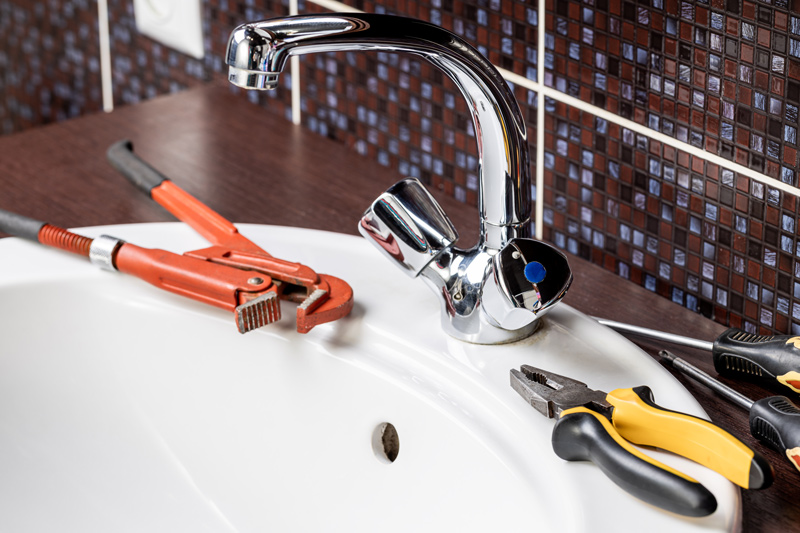
Owning an older home is like living in a piece of history. The charm, character, and craftsmanship are unmatched, but they often come with their own set of challenges, especially when it comes to plumbing. This blog post dives into the common plumbing issues found in older homes and offers practical solutions to fix them. We’ll explore everything from outdated materials to structural concerns, providing a comprehensive guide for homeowners looking to maintain their vintage properties.
A Historical Perspective on Plumbing in Older Homes
The plumbing systems in older homes reflect the materials and standards of their time. Many historic houses still have their original plumbing, which can be a source of both fascination and frustration. Cast iron pipes, galvanized steel, and even lead pipes were commonly used in construction decades ago. While these materials were cutting-edge at the time, they pose significant problems today, such as corrosion, leaks, and health risks.
Understanding the historical context of these materials helps us appreciate their durability and limitations. For instance, cast iron pipes were valued for their longevity but are prone to rust and cracking over time. Recognizing these issues is the first step in addressing them.
Common Plumbing Issues in Old Houses
1. Corroded Pipes
One of the most common plumbing issues in older homes is corroded pipes. Over time, the interior of pipes can deteriorate due to rust and mineral buildup. This can lead to reduced water pressure, leaks, and even burst pipes. Galvanized steel pipes, popular in homes built before the 1960s, are particularly susceptible to corrosion.
To identify corroded pipes, look for discoloration in the water, reduced flow, or visible rust on exposed pipes. The best solution is often to replace the old pipes with newer, corrosion-resistant materials like copper or PEX. However, this can be a costly and invasive process, so it’s essential to weigh the benefits against the potential disruptions and expenses.
2. Low Water Pressure
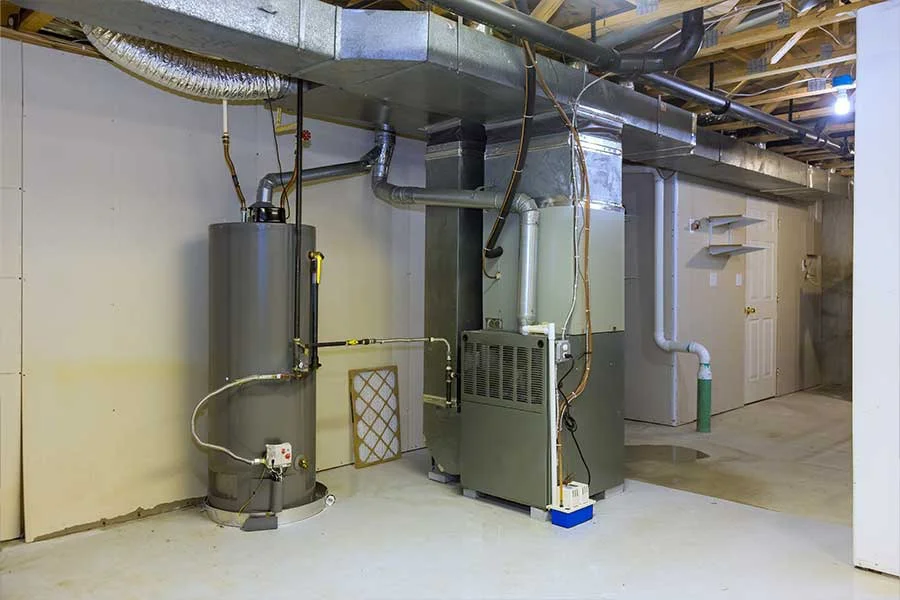
Low water pressure is another typical issue in aging homes. This problem can be caused by corroded pipes, but it may also result from sediment buildup, particularly in homes with old water heaters. Additionally, outdated plumbing fixtures, such as old showerheads and faucets, can restrict water flow.
To address low water pressure, start by cleaning or replacing aerators and showerheads. If the issue persists, it may be necessary to flush the water heater to remove sediment. In more severe cases, you might need to upgrade the home’s plumbing system to improve water flow.
3. Leaky Faucets and Fixtures
Leaky faucets and fixtures are common in older homes due to worn-out seals, gaskets, and washers. While a dripping faucet may seem minor, it can lead to significant water waste and higher utility bills. Additionally, persistent leaks can cause water damage and mold growth, compromising the home’s structural integrity.
To fix a leaky faucet, first, identify the type of faucet (compression, ball, cartridge, or ceramic disk) and then replace the worn parts. This simple repair can save water and prevent more extensive damage.
4. Sewer Line Issues
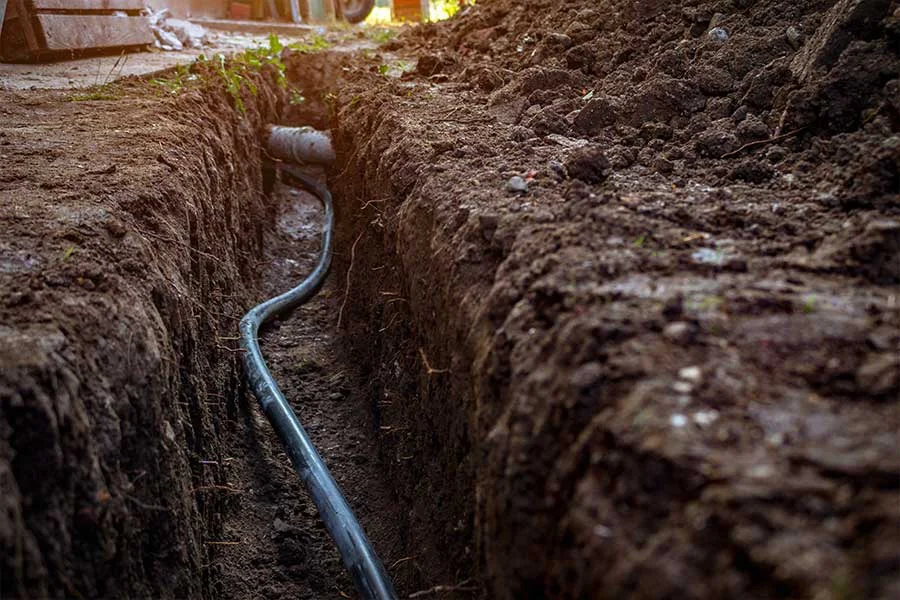
Older homes often have clay or cast iron sewer lines, which are prone to root intrusion, cracking, and collapse. These issues can lead to slow drains, sewage backups, and unpleasant odors. Tree roots are particularly problematic, as they can infiltrate the pipes, seeking moisture and causing blockages and structural damage.
If you suspect sewer line issues, a professional inspection using a camera can pinpoint the problem. Depending on the severity, options range from snaking the line to removing blockages to replacing the entire sewer line. Modern materials like PVC offer better resistance to root intrusion and corrosion.
Plumbing Maintenance for Aging Homes
Maintaining the plumbing in an older home requires regular inspections and proactive measures. Here are some essential tips:
1. Regular Inspections
Schedule regular inspections by a qualified plumber to assess the condition of your plumbing system. These inspections can catch potential issues before they become major problems, saving time and money.
2. Updating Fixtures and Appliances
Replacing old fixtures and appliances with modern, water-efficient models can improve performance and reduce water usage. Look for fixtures with the WaterSense label, which meet EPA standards for efficiency.
3. Protecting Pipes from Freezing
Older homes may have poorly insulated pipes, making them vulnerable to freezing in cold weather. Insulate exposed pipes, especially in unheated areas like basements and crawl spaces, to prevent them from freezing and bursting.
4. Water Quality Testing
Older plumbing systems can affect water quality. Have your water tested for lead and other contaminants, especially if your home has lead pipes or solder. Consider installing a whole-house water filtration system if necessary.
Conclusion
When dealing with plumbing problems in older homes, it’s crucial to troubleshoot effectively. Start with the most common issues, like checking for visible leaks, inspecting the condition of pipes, and testing water pressure. Documenting these observations can help reliable plumbers diagnose and address the problems more efficiently.
Maintaining the plumbing in older homes requires a combination of regular maintenance, timely repairs, and thoughtful upgrades. By understanding the common issues and their solutions, homeowners can preserve the charm and functionality of their vintage properties. Whether you’re dealing with corroded pipes, low water pressure, or leaky fixtures, addressing these problems promptly with the help of reliable plumbers can prevent more significant issues down the road.