

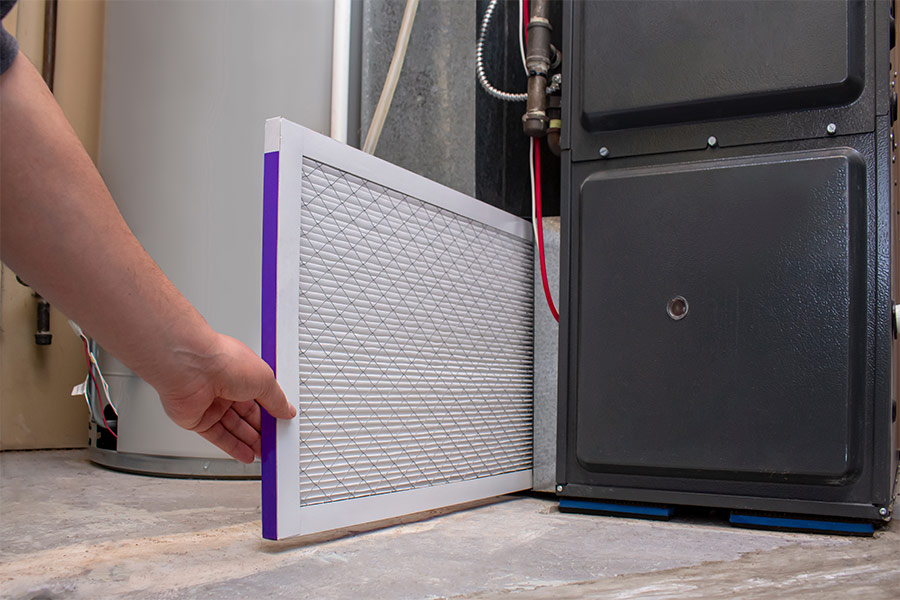
Think of a furnace filter as the lungs of your home, quietly yet diligently purifying the air you breathe. Choosing the right replacement isn’t just about picking the first one you see; it’s about understanding what your home truly needs. You’ll want to reflect on filter types, sizes, and MERV ratings, but it doesn’t stop there. How do these choices impact airflow and indoor air quality, especially if you or your family have allergies? Steering through this maze of options might seem intimidating, but it’s essential for maintaining a healthy and efficient home environment.
Understanding Furnace Filter Types
When selecting a furnace filter, it is essential to understand the various types available to guarantee the best air quality and system efficiency. Knowing the distinctions among filter types is vital if you aim to serve others by maintaining a healthy indoor environment. The most common filters include fiberglass, pleated, high-efficiency particulate air (HEPA), electrostatic, and washable filters, each offering unique advantages.
Fiberglass filters are cost-effective and ideal for basic protection, capturing large particles. However, they don’t perform well for finer particulates. Pleated filters from polyester or cotton offer increased surface area, improving filtration efficiency and lifespan. They can remove smaller particles, making them a more versatile choice.
HEPA filters provide superior filtration by trapping 99.97% of airborne particles as small as 0.3 microns, ideal for allergy sufferers. Electrostatic filters utilize self-charging fibers to attract particles, enhancing air quality without sacrificing airflow. Finally, washable filters are eco-friendly, allowing you to clean and reuse them multiple times.
Choosing the appropriate filter type directly impacts air quality and your HVAC system’s performance. By understanding these options, you can make informed decisions prioritizing the well-being of those you serve.
Assessing Filter Sizes
With a clear understanding of filter types, it’s imperative to accurately assess filter sizes to guarantee perfect fit and performance within your HVAC system. First, locate the existing filter in your furnace or air handler. Check the size printed on the filter’s frame, typically indicated in dimensions such as width x height x depth (e.g., 16x25x1). If the size is not visible or you’re installing a filter for the first time, measure the filter slot directly. Use a tape measure to determine the opening’s width, height, and thickness, making sure you measure in inches for consistency.
Precision is key, as filters that are too small may allow unfiltered air to bypass, reducing system efficiency and air quality. Conversely, oversized filters may not fit properly, causing improper sealing and potentially damaging the unit. Always err on the side of exact measurements to guarantee peak performance.
If you’re replacing or upgrading filters, follow your HVAC system’s requirements. If you’re uncertain about the correct size, consult your system’s manual or contact a professional. Diligently serving your household’s needs guarantees a well-functioning HVAC system that promotes a healthier, more comfortable environment.
Evaluating MERV Ratings
Understanding MERV (Minimum Efficiency Reporting Value) ratings is essential for selecting a furnace filter that effectively balances air quality and airflow in your HVAC system. MERV ratings range from 1 to 20, indicating a filter’s ability to capture particles of different sizes. To guarantee you’re making a wise choice, consider these key points:
- Particle Filtration: Lower MERV ratings (1-4) capture larger particles, such as dust mites and pollen. Conversely, higher ratings (13-16) handle smaller particles like smoke and bacteria. Choose a MERV rating based on the contaminants you want to filter out.
- Home Environment: Analyze your environment. If you have pets or allergies, opting for a higher MERV rating (8-12) might be beneficial. For households with respiratory concerns, consider MERV 13 or higher, which offers superior filtration.
- HVAC System Compatibility: Consult your HVAC system’s manufacturer guidelines. Systems not designed to handle high MERV ratings may experience reduced efficiency or mechanical strain.
- Maintenance Requirements: Higher MERV-rated filters often need more frequent replacements. Ensure you’re prepared for the maintenance demands to sustain ideal air quality.
Importance of Airflow
Maintaining ideal airflow is vital in preserving your HVAC system’s efficiency and longevity. It allows the system to effectively distribute air throughout the space without causing undue strain. When airflow is compromised, your system must work harder, consuming more energy and potentially leading to premature wear and component failure. As someone who prioritizes serving others, you understand that guaranteeing a comfortable and healthy environment is paramount.
It’s important to select a filter that balances filtration and airflow. Filters with high Minimum Efficiency Reporting Value (MERV) ratings capture more particles but may restrict airflow if they are not compatible with your system. Consult your HVAC system’s specifications to determine the maximum MERV rating it can accommodate without sacrificing airflow.
Another vital step is regularly inspecting and replacing filters. A clogged filter greatly reduces airflow, decreasing system efficiency and increasing the risk of overheating. Replacing filters at recommended intervals guarantees the best airflow, enhances indoor air quality, and prolongs your system’s life. Remember, ensuring the right airflow protects your equipment and contributes to a healthier living space for those you serve.
Balancing Cost and Performance
Finding the right furnace filter involves balancing cost and performance to confirm efficient operation and ideal air quality without overspending. When choosing a filter, consider these essential factors to make certain you’re effectively meeting both needs.
- Filter Efficiency: Opt for filters with a Minimum Efficiency Reporting Value (MERV) rating between 8 and 13. This range captures a wide array of particles, including dust, pollen, and even some bacteria, without overly restricting airflow, which could compromise your furnace’s efficiency.
- Cost Considerations: Higher MERV ratings generally mean higher costs. Assess your budget and decide how much you will invest in maintaining air quality. Remember, higher upfront costs can lead to savings on energy bills and health-related expenses.
- Home Environment: Evaluate your home’s specific needs. If you have pets or residents with allergies, investing in a higher MERV filter might be necessary for improved air quality.
- Maintenance Frequency: Consider how often you’re willing to change the filter. More affordable filters might require frequent replacements, whereas costlier options could offer extended performance before needing replacement.
Considering Filter Longevity
When evaluating filter longevity, consider how the frequency of replacements impacts both the overall cost and the sustained efficiency of your furnace system. A long-lasting filter might seem more cost-effective, but if it fails to maintain ideal airflow over time, it could lead to inefficiencies that strain your system. Opt for filters with a longer lifespan if they maintain their performance throughout their operational period. Checking the manufacturer’s recommended replacement intervals can provide insight into the expected longevity and performance consistency.
Choose filters that balance durability and functionality. Some filters, like those made from synthetic fibers, are designed to last longer than traditional fiberglass filters, reducing the need for frequent replacements. However, don’t overlook the significance of regular checks; if neglected, a seemingly long-lasting filter can become clogged with debris, ultimately affecting your furnace’s performance.
Maintaining an efficient heating system is essential when serving others to guarantee their comfort and safety. By selecting a filter with the proper longevity, you not only prolong the furnace’s life but also contribute to lower operating costs and energy savings. This approach demonstrates a commitment to responsible and effective service.
Impact on Indoor Air Quality
Selecting the right furnace filter directly influences indoor air quality by capturing pollutants and allergens, guaranteeing a healthier living environment. Understanding how a furnace filter works is essential for someone who values service and cares for others. A high-quality filter traps dust, pollen, and microscopic particles, preventing them from circulating through your home. This results in cleaner air, reducing potential respiratory issues for residents.
When choosing a filter, consider its Minimum Efficiency Reporting Value (MERV) rating, which indicates its efficiency in capturing particles. A higher MERV rating means better filtration but may also restrict airflow if your system isn’t designed to handle it. Balance is key.
Consider these factors for peak indoor air quality:
- Filter Material: Opt for synthetic media filters for enhanced durability and efficiency.
- Filter Thickness: Thicker filters often have higher capacities for particle capture, extending the time between replacements.
- Change Frequency: Regularly replacing your filter, typically every 90 days, maintains air quality and system efficiency.
- System Compatibility: Verify your chosen filter is compatible with your furnace to avoid operational issues.
Allergy Considerations
For those with allergies, choosing a furnace filter with a high MERV rating is crucial. This filter effectively captures allergens like pollen and dust mites, significantly improving indoor air quality. A MERV rating between 11 and 13 is typically recommended for allergy sufferers. This range balances capturing microscopic particles and maintaining proper airflow through your HVAC system.
When selecting a filter, consider its composition. Filters from synthetic or pleated materials are more effective than fiberglass in trapping allergens. Also, seek out filters labeled as HEPA (High-Efficiency Particulate Air) if your system can accommodate them. HEPA filters capture up to 99.97% of airborne particles, providing superior protection for those with severe allergies.
You should also establish a regular replacement schedule. Manufacturers often suggest replacing filters every three months, but homes with pets or in high-pollen areas might require more frequent changes. Monitoring the filter’s condition guarantees peak performance, preventing allergens from circulating indoors.
Common Replacement Pitfalls
Despite good intentions, many homeowners often overlook critical factors during furnace filter replacement, reducing efficiency and potential HVAC issues. Understanding these pitfalls can help you make better decisions and maintain a healthy indoor environment.
- Incorrect Size: Always verify the exact dimensions of your furnace filter before purchasing a replacement. An incorrect size can allow unfiltered air to bypass the filter, reducing efficiency and potentially harming the system.
- Wrong MERV Rating: Selecting a filter with a MERV rating that’s too high can restrict airflow, putting unnecessary strain on your HVAC system. Confirm the filter matches the manufacturer’s recommended specifications for peak performance.
- Infrequent Replacement: Neglecting to replace your filter regularly can lead to clogs, decreased air quality, and increased energy consumption. Establish a consistent schedule based on your specific filter type and home conditions.
- Poor-Quality Filters: Opting for cheaper, low-quality filters may save money upfront, but they can compromise air quality and system longevity. Invest in reliable filters that balance cost and performance for the well-being of your household.
Maintenance and Replacement Tips
To guarantee your HVAC system runs efficiently, regularly inspect and replace furnace filters according to the manufacturer’s guidelines and your home’s specific needs. Begin by checking the filter monthly, especially during heavy use periods like winter. Not only does this maintain optimal air quality, but it also prolongs the lifespan of your system and reduces energy costs.
When inspecting the filter, hold it up to the light; if you can’t see light through it, it’s time to replace it. Note the filter size and type, usually indicated on the frame, to ensure you purchase the correct replacement. Consider high-efficiency particulate air (HEPA) filters if allergens are a concern or electrostatic filters for superior dust control.
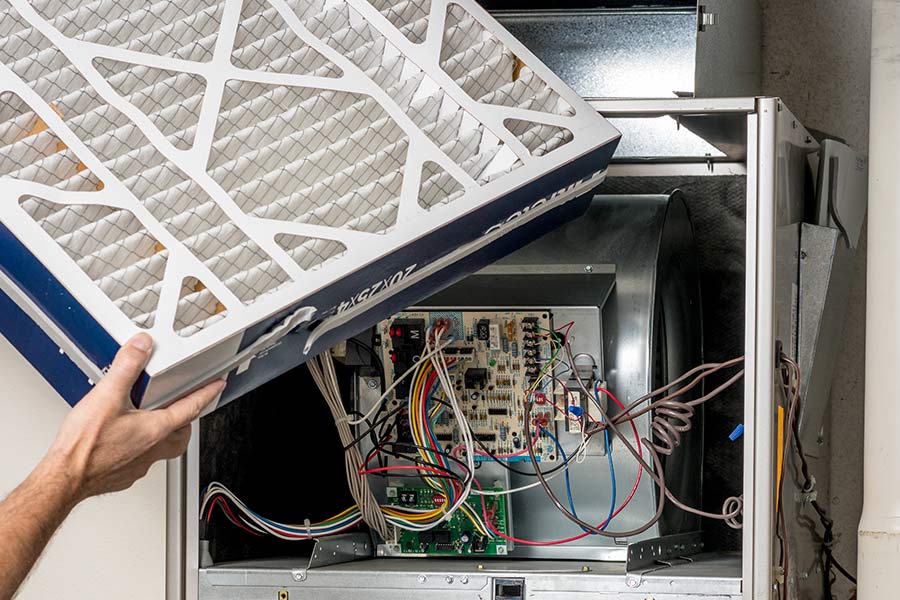
It’s essential to install the new filter correctly. Follow the airflow arrows on the filter frame, ensuring they align with the system’s direction. This prevents strain on the system and maintains efficiency.
Conclusion
In summary, choosing the right furnace filter replacement is essential for your home’s air quality and your HVAC system’s efficiency. Consider filter types, sizes, and MERV ratings while guaranteeing good airflow to avoid putting the cart before the horse. Regular maintenance is key—inspect and replace filters to keep everything running smoothly. By balancing cost with performance, you’ll secure a healthier environment, especially if allergies are in the mix.