
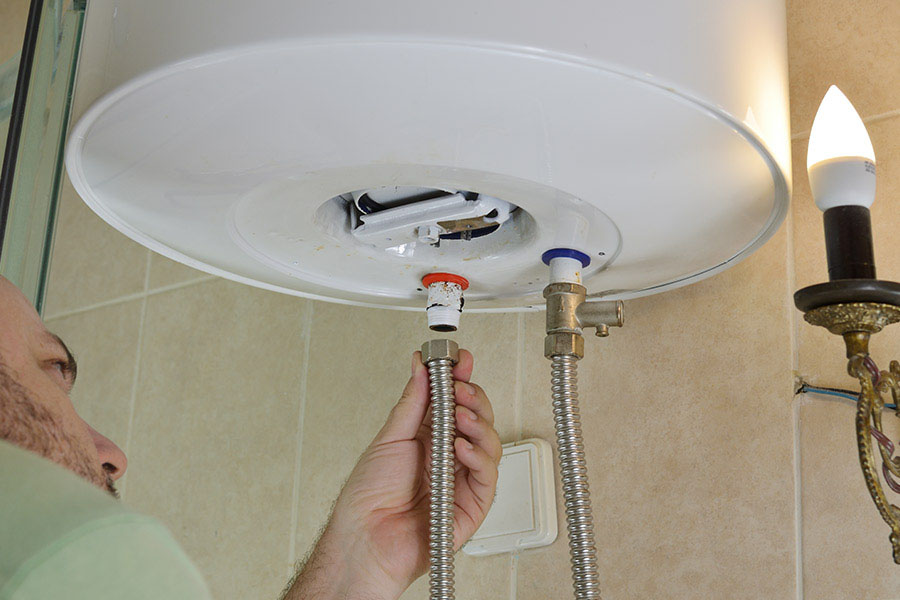
When it comes to fixing a broken water heater, you might feel like you’re stuck in a classic tale of trials and tribulations. But don’t worry; you can tackle this issue with a few straightforward steps. Whether it’s checking the power supply or flushing the tank, there are effective methods to restore your hot water. Let’s explore these practical solutions that can save you from an unexpected cold shower.
Check the Power Supply
Have you checked the power supply to your water heater? This is your first step in troubleshooting any issues.
Verify the unit is plugged in securely, as a loose connection can easily disrupt power. Next, inspect the circuit breaker; it might’ve tripped, cutting off power. If you find it’s off, flip it back to the “on” position and see if that resolves the problem.
If the breaker trips again, it could indicate a more serious issue, like a short circuit or faulty wiring, which may require professional help. Also, check for any blown fuses, especially in older homes. Timely action is essential for maintaining water heater functionality.
Inspect the Thermostat Settings
Before moving on, check your thermostat settings to verify your water heater is set to the right temperature.
If it seems off, consider resetting the thermostat to see if that resolves the issue.
Also, make certain the power supply connection is secure for peak performance. Additionally, be aware that the average lifespan of water heaters is 10-15 years, so consider replacement if your unit is nearing this age.
Check Temperature Setting
How can you guarantee your water heater is working efficiently? One essential step is to check the temperature setting on your thermostat. Ideally, you want your water heater set between 120°F to 140°F. Anything higher can waste energy and lead to scalding.
Here’s how to inspect the thermostat settings:
- Locate the thermostat: Usually found on the front of the water heater.
- Check the current setting: Make sure it’s within the recommended range.
- Adjust if necessary: Turn it down or up gently, ensuring you don’t exceed safe limits.
- Wait for the water to heat: Give it a little time, then test the hot water at the tap.
Regular checks can keep your water heater running smoothly!
Reset Thermostat If Necessary
If your water heater isn’t heating water properly, resetting the thermostat might be the solution you need.
Start by locating the thermostat on your unit, which is usually found on the front or side. Check the settings to verify they’re set to a suitable temperature—typically around 120°F.
If the settings look off, adjust them accordingly. After resetting, wait a while to see if the water heats up. Sometimes, simply turning the thermostat off and on can restore functionality.
If it still doesn’t work, you may need to dig deeper into potential issues. Remember, if you’re unsure, don’t hesitate to reach out to a professional like Dipaola Quality Climate Control for assistance.
Inspect Power Supply Connection
One key step in troubleshooting your water heater is inspecting the power supply connection. A faulty connection can lead to heating issues, so take a moment to check a few things:
- Circuit Breaker: Verify the breaker isn’t tripped; reset it if necessary.
- Power Cord: Inspect the power cord for any visible damage or loose connections.
- Outlet: Test the outlet with another device to confirm it’s functioning properly.
- Thermostat Settings: Confirm the thermostat is set to the desired temperature, as incorrect settings can prevent heating.
Examine the Circuit Breaker
Before diving into more complex repairs, take a moment to examine the circuit breaker connected to your water heater. Sometimes, the simplest solution is the best one. Check if the breaker has tripped; if it has, simply flip it back to the “on” position. If it continually trips, that could indicate a deeper electrical issue.
Next, verify your water heater is receiving power. You can do this by using a multimeter to test the voltage at the breaker. If there’s no power reaching the unit, you might need to consult an electrician. Additionally, ensure that your home is equipped with reliable HVAC services to tackle any heating or cooling issues that may arise.
Also, inspect the wiring for any signs of wear or damage. Loose connections can lead to problems, so tighten any that seem loose.
Flush the Water Heater Tank
Flushing the water heater tank is essential for maintaining its efficiency and prolonging its lifespan, as sediment buildup can hinder performance.
Regularly flushing your tank helps prevent issues like reduced heating capacity and higher energy bills. Early leak detection can also be crucial in avoiding potential damage from water heater leaks.
Here’s how to do it:
- Turn off the power supply to the water heater to avoid any accidents.
- Connect a garden hose to the tank’s drain valve, directing the other end into a drain or outside.
- Open the drain valve and let the water flow out. You’ll see sediment and debris coming out with it.
- Close the valve once the water runs clear, remove the hose, and refill the tank by turning the water supply back on.
Look for Leaks and Corrosion
After you’ve flushed the water heater tank, it’s important to check for leaks and corrosion that could compromise its performance.
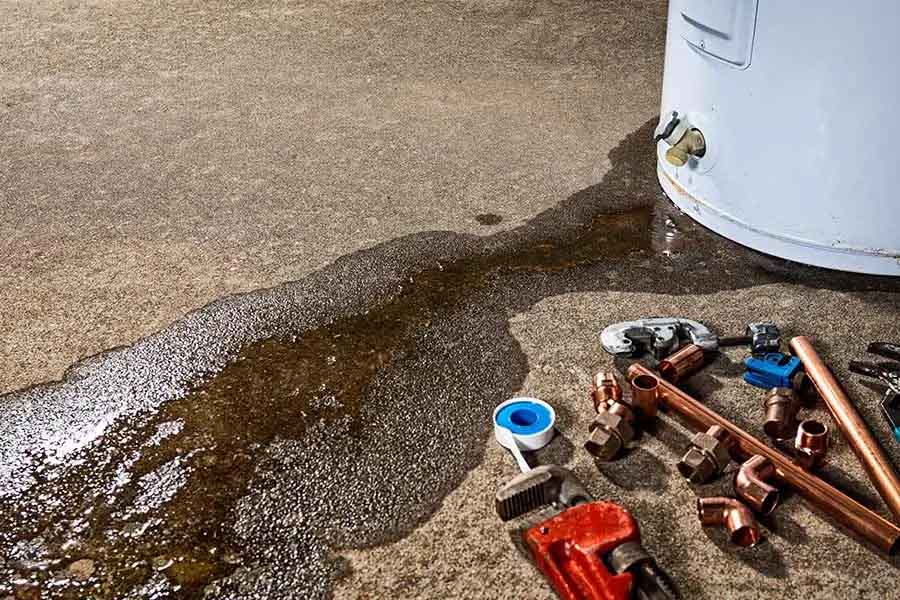
Start by inspecting the area around the heater for any signs of water pooling or dampness. A leak can often indicate a failing valve or a cracked tank. Don’t forget to look at the pipes and connections; these are common culprits for leaks as well.
Next, examine the heater’s exterior and the anode rod for any signs of corrosion. Rust or pitting could signal that your water heater is deteriorating, which can lead to bigger problems down the line.
If you notice any corrosion, it’s wise to take action quickly. Tightening loose fittings or replacing corroded parts can help prevent further damage. If you’re unsure about the extent of the issue, consider reaching out to a professional for a thorough inspection.
Test the Heating Elements
Testing the heating elements is an essential step in ensuring your water heater operates efficiently. If you’re not getting hot water, the heating elements might be the culprits.
Here’s how to check them:
- Turn off the power: Safety first! Switch off the circuit breaker for the water heater.
- Remove the access panel: Use a screwdriver to take off the panel covering the heating elements.
- Test with a multimeter: Set your multimeter to the ohms setting and check the elements. A reading between 10-30 ohms indicates they’re functioning well.
- Inspect for damage: Look for any signs of corrosion or burn marks. If you spot these, you’ll need to replace the element.
Call a Professional for Repairs
When it comes to water heater repairs, calling a professional is often the best choice.
Their expertise guarantees that the job is done safely and efficiently, reducing the risk of further damage or personal injury.
You’ll benefit from their specialized knowledge and experience, giving you peace of mind.
Expertise in Repairs
While tackling a broken water heater might seem like a straightforward task, it’s often best to call in a professional for repairs.
Experts have the knowledge and tools to diagnose issues accurately, ensuring you won’t waste time or money.
Here are four reasons why you should consider professional help:
- Access to specialized tools – Professionals use equipment that you mightn’t have at home, making repairs more efficient.
- Experience with various models – They understand different water heater brands and can quickly identify problems.
- Guaranteed work – Many professionals offer warranties on their repairs, giving you peace of mind.
- Safety assurance – A qualified technician knows how to handle potential hazards, protecting you and your home.
Trust the pros to get your water heater running smoothly again!
Safety Considerations
Because water heaters involve electricity and gas, safety should always be a top priority. Attempting repairs without the right knowledge can lead to dangerous situations like leaks, explosions, or electrical shocks.
If you notice any issues, like strange noises or leaks, it’s best to call a professional. Trained technicians from Dipaola Quality Climate Control can safely diagnose and fix your water heater, ensuring it operates efficiently.
They use proper safety gear and follow protocols to protect you and your home. Plus, their expertise means you won’t risk voiding any warranties.
Don’t compromise on safety; let the experts handle it so you can enjoy peace of mind and reliable hot water. Always prioritize your safety first!
Conclusion
To sum up, addressing a broken water heater doesn’t have to be overwhelming. By following these seven steps, you can troubleshoot common issues effectively. Did you know that 75% of water heaters fail due to sediment buildup? Flushing your tank regularly can help prevent this and extend its lifespan. If you’re ever in doubt, don’t hesitate to call a professional. Keeping your water heater in top shape guarantees you always have hot water when you need it!