While a furnace is designed to provide warmth, it can often frustrate you when it starts acting up. You might not be an HVAC expert, but you can still spot common issues with some guidance. These problems can hint at underlying malfunctions, from unusual noises to inconsistent heating. Ignoring them could lead to costly repairs or even safety concerns. Before you call in the professionals, there are several steps you can take to troubleshoot the situation yourself. Curious about how to tackle these challenges effectively? There’s more to discover about your furnace’s secrets.
Unusual Furnace Noises
When your furnace starts making unusual noises, it’s often a sign of underlying mechanical issues that demand immediate attention. You should be vigilant about identifying these sounds, as they can indicate various problems. A banging noise might suggest an issue with the ignition or delayed ignition in gas burners. This can lead to a small explosion, stressing the metal in your furnace. If you hear a squealing sound, it may be due to a slipping or frayed blower belt, which needs adjustment or replacement.
Rattling noises often indicate loose panels or screws within the furnace. Make sure to check for any loose parts and tighten them as needed. A grinding noise is particularly concerning, as it could signal that the motor bearings are worn out. This requires prompt attention to prevent motor failure, which could result in significant heating disruptions.
Understanding these noises empowers those willing to assist others and provide timely and effective interventions. Addressing these issues swiftly helps ensure those relying on you for warmth and comfort during colder months maintain a safe, operational heating system.
Inconsistent Heating Patterns
Inconsistent heating patterns often stem from issues like blocked air vents, malfunctioning thermostats, or uneven airflow. These require thorough inspection and precise adjustments to guarantee uniform warmth throughout your space. Begin by checking if the air vents are open and unobstructed. Blocked vents can cause rooms to heat unevenly, so make sure nothing impedes airflow, like furniture or curtains.
Next, examine the thermostat. Confirm it’s set to your desired temperature and functioning correctly. A miscalibrated thermostat might send incorrect signals to your furnace, leading to erratic heating. Consider upgrading to a programmable or smart thermostat for more precise control.
Inspect your furnace’s filter as well. A dirty filter can restrict airflow, causing the system to work harder and heat unevenly. Depending on usage and filter type, replace filters every 1-3 months.
Ductwork should also be inspected for leaks or disconnections. Leaky ducts can let heated air escape before reaching its destination, resulting in inconsistent temperatures. Seal any leaks with mastic or metal tape.
Lastly, make sure your furnace’s blower motor is operating adequately. An inefficient motor can circulate air unevenly, affecting heating patterns. Regular maintenance ensures peak performance and extends your furnace’s lifespan, effectively serving everyone in your home.
Weak or No Airflow
Weak or no airflow from your furnace often indicates issues with the blower motor, clogged filters, or blocked ductwork, requiring immediate diagnosis and repair to restore efficient heating throughout your home. Start by checking the air filters. Clogged filters restrict airflow and cause your furnace to work harder, reducing efficiency. Replace them regularly to maintain peak performance.
Next, inspect the blower motor. This component is vital for circulating warm air. If it’s failing, you might hear unusual noises or notice reduced airflow. Make sure the motor is clean and lubricated. If problems persist, they may require professional servicing or replacement.
Blocked ductwork is another common culprit. Dust, debris, or even tiny pests can obstruct airflow in your ducts. Use a flashlight to inspect accessible areas of the ductwork. If you spot blockages, consider professional duct cleaning services to clear them out effectively.
Lastly, check the registers and vents in your home. Make sure they’re open and not obstructed by furniture or curtains. By addressing these areas, you can significantly improve airflow and ensure your furnace operates efficiently, providing warmth and comfort to those you care for.
Strange Furnace Odors
Strange odors emanating from your furnace can indicate serious issues like gas leaks, burning dust, or electrical problems. These require immediate inspection to guarantee safety and proper functionality. When you detect a sulfur or rotten egg smell, it suggests a natural gas leak, which is hazardous. Evacuate the premises and contact your gas company immediately to prevent potential explosions.
A burning smell often indicates accumulated dust burning off, especially if the furnace has been inactive for an extended period. This odor should dissipate quickly; however, if it persists, inspect the air filter and replace it if necessary to maintain efficient airflow and prevent overheating.
An electrical burning smell could point to overheated components or faulty wiring. In this case, shut off the furnace and call a professional technician to inspect and repair the issue, ensuring safe operation.
If you notice a musty odor, it might be due to mold growth within the ductwork or furnace system. Address this by cleaning the ducts and ensuring proper humidity control. Regular maintenance and timely professional inspections are essential in preventing these issues and ensuring your furnace serves reliably and safely.
Frequent Cycling On and Off
A furnace that frequently cycles on and off, known as short cycling, often indicates thermostat malfunctions, restricted airflow, or improper unit sizing, requiring thorough examination to optimize performance and efficiency. To address short cycling, first, inspect the thermostat. Ensure it’s accurately calibrated and not positioned near heat sources that could cause false readings. If the thermostat seems functional, examine the air filters. Clogged filters restrict airflow, causing the furnace to overheat and shut down prematurely. Replace filters regularly to maintain unobstructed air circulation.
Next, verify that vents and ducts are open and unobstructed. Blocked vents can exacerbate airflow issues, leading to short cycling. If these elements check out, consider the furnace’s size. An oversized unit heats the space too quickly, leading to frequent on-off cycles. Consultation with a professional can help determine if resizing is necessary.
Lastly, inspect the blower motor and fan. Malfunctions in these components can impede airflow, contributing to short cycling. Ensure they’re operating smoothly and without obstruction. By systematically addressing these potential issues, you can restore efficient operation, reduce energy waste, and enhance comfort for those you serve.
Pilot Light Issues
When your furnace stops working efficiently, pilot light issues might be the culprit. These issues often arise from thermocouple malfunctions, gas supply problems, or draft interference. The thermocouple is a safety device that senses if the pilot light is lit. If it’s faulty, it might cut off the gas supply to prevent leaks, even if the pilot light is burning. To address this, inspect the thermocouple for dirt or misalignment and ensure it’s tightly connected to the gas valve. Cleaning or repositioning it often resolves the issue.
Gas supply problems can also extinguish the pilot light. Check the gas valve to confirm it’s fully open. If you suspect a gas line blockage, contact a professional, as handling gas lines requires expertise. Sometimes, a strong draft can blow out the pilot light. Check for nearby windows or vents that could cause air movement around the furnace. Repositioning or sealing these sources of drafts can help maintain the light.
Thermostat Malfunctions
Diagnosing thermostat malfunctions involves checking if the device is accurately sensing and controlling the room temperature, as misreadings can prevent the furnace from activating when needed. Begin by ensuring the thermostat is set to “heat” mode and the temperature setting is above the current room temperature. If the furnace doesn’t respond, remove the thermostat cover to inspect for loose wires or connections, which can disrupt communication with the furnace.
Next, verify the power supply. Check whether the thermostat has power from batteries or the electrical system. Replace batteries if necessary and reset the thermostat to see if it responds. If it’s hard-wired, examine the circuit breaker for tripped switches.
A dirty thermostat can also cause errors. Gently clean inside the unit using a soft brush to clear any accumulated dust that might obstruct sensors. If your thermostat is programmable, confirm the programmed schedule aligns with your desired heating times. Misconfigured settings can delay furnace operation.
High Energy Bills
Besides thermostat malfunctions, you might notice increased energy bills, often indicating inefficiencies within the furnace system that require immediate attention. High energy consumption can stem from several issues. Dirty or clogged air filters restrict airflow, forcing the furnace to work harder than necessary to maintain desired temperatures. Check and replace filters regularly to maximize airflow and efficiency. Additionally, inspect the furnace’s blower motor. If it operates continuously or inefficiently, it can consume excess energy, driving up costs. Make sure the motor is well-maintained and lubricated to function at its best.
Another potential culprit is leaky ductwork. Cracks or gaps in the ducts can cause heated air to escape, meaning the furnace must produce more heat to compensate for the loss. Regularly inspect the ductwork for leaks and seal them promptly. Also, examine the furnace’s burner. A dirty burner can create inefficient combustion, leading to increased fuel usage. Cleaning the burner can restore proper function and lower energy use.
Lastly, consider the age and size of your furnace. An older or improperly sized unit might not operate at peak efficiency. Consulting with a professional can help determine if an upgrade or resizing is necessary to reduce energy expenses effectively.
Furnace Fails to Start
A furnace that won’t start often involves issues such as a malfunctioning thermostat, a tripped circuit breaker, or an igniter failure. First, check the thermostat settings. Confirm it’s set to ‘heat’ and the temperature is higher than the room temperature. If it’s battery-operated, replace the batteries. Next, inspect the circuit breaker. Locate your home’s electrical panel and find the breaker labeled for the furnace. If it’s tripped, reset it by switching it off and back on.
If these steps don’t resolve the issue, consider the igniter. Modern furnaces typically use electronic igniters instead of pilot lights. To check, turn off the furnace power and remove the access panel. Look for the igniter near the burner. It might be cracked or damaged, which prevents ignition. You should replace it if it’s faulty.
Additionally, ensure the furnace switch is on. This switch resembles a light switch and is usually located near the furnace. If all else fails, contacting a professional technician can help address complex issues and ensure your furnace serves efficiently. Your proactive approach helps maintain warmth and comfort, effectively fulfilling others’ needs.
Water Leaks Around the Furnace
Have you noticed water pooling around your furnace, potentially indicating issues with the condensate line or humidifier? Water leaks can signal problems that require immediate attention to prevent further damage. Begin by inspecting the condensate line, which drains moisture from high-efficiency furnaces. If this line is clogged or cracked, water may leak onto the floor. Check for any blockages and make sure the line is securely connected.
Next, examine the humidifier, as malfunctioning units can also cause leaks. Verify that the water supply valve is properly adjusted and check for any cracks in the humidifier’s housing or connections. If the water panel is clogged, leaks can occur, so replace it if necessary.
Also, don’t overlook the furnace’s heat exchanger. While less common, a compromised exchanger can lead to leaks. If you suspect this, consult a professional immediately due to potential safety hazards.
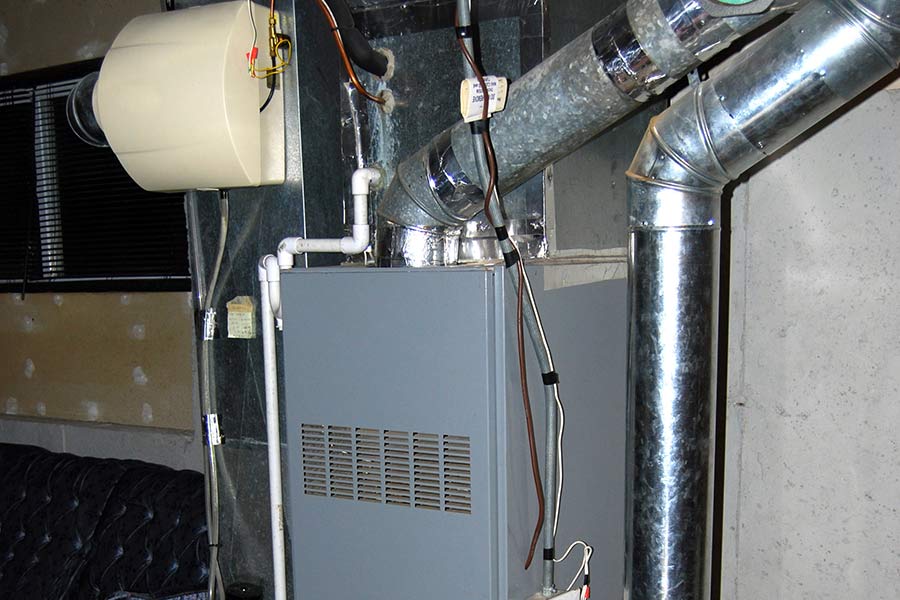
 412-2456.jpg)
Conclusion
When diagnosing furnace issues, remember that nearly 75% of heating system failures are due to improper maintenance. By regularly inspecting components like the thermostat, air filters, and blower motor, you can prevent many common problems. Pay attention to unusual noises, inconsistent heating, or strange odors, as these are often early warning signs. To maintain efficiency and extend your furnace’s life, don’t overlook routine tasks like cleaning the burner and checking for duct leaks.