
Did you know that a tankless water heater can save up to 50% on energy costs compared to traditional models? To maintain this efficiency, you need to focus on regular upkeep. It’s about descaling the system and ensuring the inlet filter is spotless and debris-free. What about the venting system’s condition and potential water leaks? These are just a few aspects to evaluate. You might wonder how often these tasks should be performed or the signs that indicate a problem. Let’s explore these essential maintenance practices further.
Understanding Your Heater Model
Familiarizing yourself with your specific tankless water heater model guarantees you follow appropriate maintenance procedures and optimize its performance. Start by consulting the user manual provided by the manufacturer. This document is vital as it details your unit’s specifications and unique features. Pay attention to the recommended maintenance schedules and specific instructions for your model. Each model may have distinct requirements, so understanding these will help you serve others more efficiently by guaranteeing an uninterrupted hot water supply.
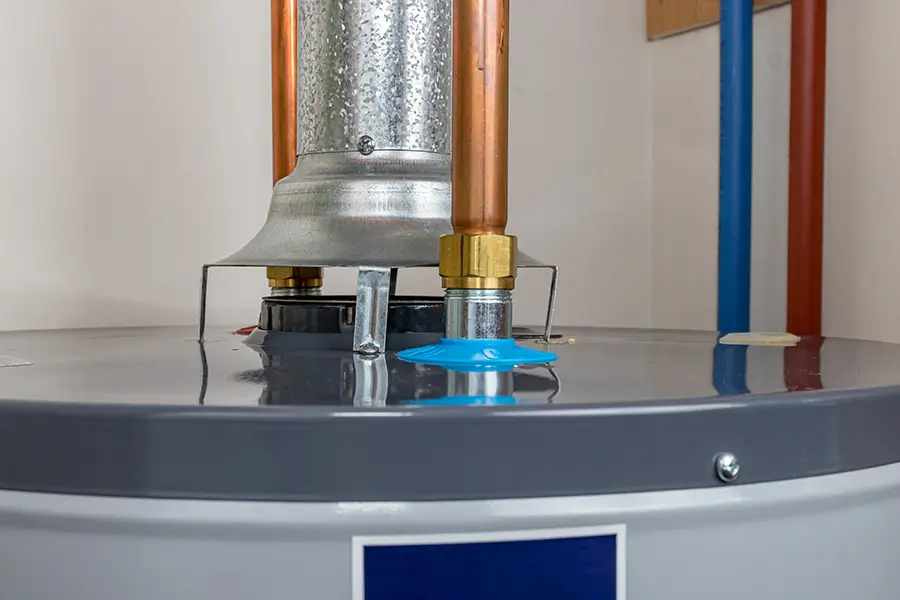
Next, identify key components such as the heat exchanger, inlet screen filter, and control panel. Recognize how each part functions within your system. Knowing your heater’s flow rate and maximum temperature settings can prevent potential issues and enhance energy efficiency. It allows you to tailor the water heater’s operation to match the needs of those you’re serving, minimizing inconvenience.
Also, stay informed about any recalls or updates from the manufacturer that may affect your model. Regularly checking for these updates guarantees you follow the latest safety and performance guidelines. With this knowledge, you’re better equipped to maintain your tankless water heater, ensuring it runs smoothly and reliably.
Regular Descaling Process
Regular descaling is essential to prevent mineral buildup in your tankless water heater, guaranteeing peak performance and extending lifespan. Mineral deposits, primarily calcium and magnesium, can accumulate and obstruct water flow, reducing efficiency. Start by turning off the heater’s power and water supply to serve others effectively. Next, disconnect the water inlet and outlet valves. Attach hoses to both valves and submerge the other ends in a bucket filled with a descaling solution.
A pump circulates the solution through the heater for about 45 minutes, dissolving the mineral deposits. To avoid damage, make sure the pump is suitable for this purpose. After circulation, flush the system with clean water to remove any remaining descaler. Reconnect the valves, turn on the water supply, and check for leaks. Finally, restore power to the heater.
Conduct this descaling process every 6 to 12 months, depending on your water hardness. Regular maintenance benefits the heater and guarantees consistent, efficient hot water service for those relying on it. By paying attention to these details, you maximize the heater’s potential and contribute to a well-functioning household or facility.
Cleaning the Inlet Filter
To maintain the ideal performance of your tankless water heater, clean the inlet filter by shutting off the water supply and removing the filter assembly from the unit. This step is vital as it prevents debris or sediment from clogging the system, ensuring a consistent flow of water. Once removed, examine the filter for any visible buildup or obstructions.
Use a soft brush to scrub away any accumulated particles gently. If the filter is dirty, soak it in warm water and mild detergent. Rinse thoroughly to remove any soapy residue, ensuring no contaminants are reintroduced into the water heater when reinstalled.
Inspect the O-rings and gaskets before reattaching the filter assembly for any signs of wear or damage. Replacing these components, if necessary, is important to maintain a secure seal and prevent leaks. Once the filter’s cleanliness and condition are satisfied, carefully reinstall it into the unit.
Turn the water supply back on and check for leaks around the filter area. By performing this maintenance regularly, you’ll extend the heater’s lifespan and continue providing reliable hot water service to those you serve.
Inspecting the Venting System
After confirming the inlet filter is clean and functioning, inspect the venting system to make sure it’s free from obstructions and securely connected, allowing for safe and efficient exhaust flow. Start by examining the vent pipes for any visible damage or blockages. Look for dents, cracks, or loose fittings that might compromise the system’s integrity. Use a flashlight to peer inside the vent, confirming no nests or debris are obstructing the pathway. This confirms toxic gases are correctly expelled, safeguarding the indoor environment.
Next, verify that all vent connections are tight and properly sealed. Loose connections can lead to dangerous leaks. Check the joints and seals using a soapy water solution; bubbles indicate leaks that need immediate attention. If your heater uses a power vent, confirm the fan is operational and free of dust buildup, which could impede its performance.
Checking for Water Leaks
Begin by thoroughly inspecting all connections and fittings around the tankless water heater for any signs of moisture or dripping. Even minor leaks can lead to significant damage over time. Focus especially on the inlet and outlet pipes, as these are common areas where leaks might occur. Use a flashlight to examine each joint, valve, and connection point closely. Look for corrosion, rust, or mineral deposits, which indicate a slow leak.
Next, check the pressure relief valve. This valve is designed to release pressure but can sometimes leak if not functioning correctly. Place a dry cloth beneath the valve and wait a few minutes to see if it becomes damp. Additionally, inspect the area around the heater unit for any pooling water or dampness that could suggest a hidden leak.
If you detect any leaks, tighten fittings using the appropriate tool, but be cautious not to overtighten, which can cause further issues. If tightening doesn’t resolve the leak, replacing worn washers or seals may be necessary. By addressing leaks promptly, you help guarantee the tankless water heater remains efficient and reliable, providing uninterrupted service to those who depend on it.
Monitoring Water Temperature
Maintain your tankless water heater’s peak performance by regularly monitoring the water temperature to detect irregularities or fluctuations. Begin by setting the desired temperature on your unit’s control panel, typically between 120°F and 140°F. Use a reliable thermometer to check the water temperature at different faucets periodically. This guarantees that the heater functions consistently, providing adequate hot water to meet your household’s needs.
Pay close attention to any sudden changes in temperature, as they can indicate underlying issues. Fluctuations may suggest mineral buildup, a malfunctioning sensor, or insufficient water flow. If you notice discrepancies, consult the heater’s manual for troubleshooting steps or contact a professional for further assistance. Adjust the temperature settings as needed while guaranteeing safety, especially in households with children or the elderly.
Consider installing a digital monitor that provides real-time data and alerts for temperature variations for more precision. This proactive approach extends your heater’s lifespan and enhances energy efficiency and user satisfaction. By dedicating time to monitoring water temperature, you demonstrate a commitment to maintaining comfort and reliability for those you serve, guaranteeing their needs are consistently met.
Flushing the System Annually
To guarantee your tankless water heater operates efficiently, flush the system annually to remove mineral buildup and prevent clogs. Start by turning off the power supply and water valves to ascertain safety. Attach a hose to the flush valves to direct water to a nearby drain. Prepare a solution of vinegar and water, as vinegar effectively breaks down mineral deposits. Connect a submersible pump to circulate the solution through the heater for about 45 minutes. This process helps dissolve limescale or mineral deposits that could hinder water flow or heating efficiency.
After the solution has cycled through, safely disconnect the pump and hose, then open the shutoff valves to allow cold water to rinse away any remaining vinegar and debris. Run the water for a few minutes to ensure a thorough rinse. Reconnect the power supply and turn the unit back on to check for leaks. By performing this annual maintenance, you ascertain your heater delivers consistent hot water, extending its lifespan and maintaining energy efficiency. This proactive approach saves on potential repair costs and ascertains reliable service for those you serve.
Troubleshooting Error Codes
Understanding error codes on your tankless water heater is essential for diagnosing and resolving issues quickly and efficiently. When your unit displays an error code, it’s communicating a specific problem that needs attention. First, refer to your heater’s manual, your go-to guide for decoding each error. Some common codes indicate issues like combustion failure, water flow restriction, or ignition problems.
Start by checking for simple solutions: verify gas and water supplies are on, and power connections are secure. If you encounter a flow-related code, inspect inlet filters and aerators for debris. Clean these components to restore proper water flow. For ignition errors, verify that the air intake and exhaust vents are clear of obstructions, as blockages can hinder operation.
Keep a log of error codes, noting frequency and conditions when they occur. This record can help identify patterns or persistent issues, aiding in more precise troubleshooting. When resolving an error feels beyond your expertise, it’s wise to contact a professional to avoid exacerbating the problem. With a proactive approach to understanding error codes, you’re better equipped to maintain your water heater’s efficiency and reliability, ultimately serving others by verifying uninterrupted service.
Professional Maintenance Schedule
Scheduling regular professional maintenance for your tankless water heater guarantees peak performance and prolongs its lifespan. Aim to have a professional inspection annually. This involves thoroughly checking the heating elements, gas lines, and venting system. A technician will assess for blockages or leaks, ensuring all connections are secure and functioning efficiently. They’ll also inspect the burner for proper combustion and clean the filter to maintain ideal water flow.
During the maintenance visit, the technician will flush the system to remove mineral buildup, vital for preventing scale-related inefficiencies and potential damage. This process involves using a vinegar solution to descale the heat exchanger and maintain efficient heat transfer.
Electrical components, such as thermostats and wiring, are also evaluated. The technician will verify they’re in good condition and replace any worn parts. Checking error codes and updating the system software are additional tasks that may be performed to guarantee the unit’s reliability.
Extending Heater Lifespan
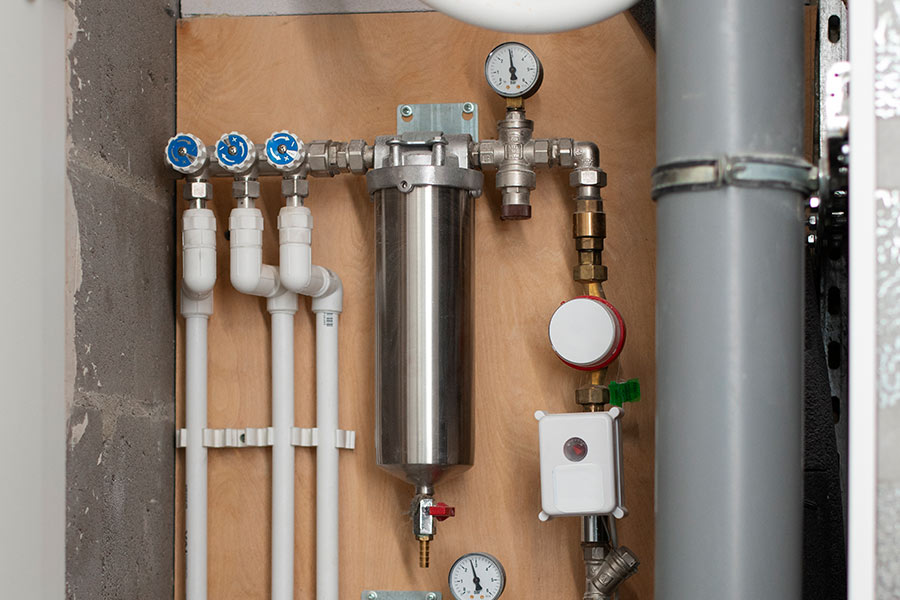
Regular maintenance and mindful usage can considerably extend your tankless water heater’s lifespan, guaranteeing it runs efficiently for years. Regularly inspect the inlet filter for debris, as blockages can reduce efficiency and cause wear. Clean it every six months or more frequently if you notice a decrease in water flow. Also, consider installing a pre-filter if your water supply contains high sediment levels.
Descale your heater annually to remove mineral deposits, especially if you live in an area with hard water. Use a descaling kit and follow the manufacturer’s instructions carefully. This practice prevents scaling from obstructing the heat exchanger, guaranteeing peak performance.
Adjust your heater’s temperature to a moderate level, ideally around 120°F. This will not only save energy but also reduce the strain on internal components, which can prolong their life.
Monitor the venting system for obstructions and guarantee it’s appropriately sealed to prevent heat loss and maintain efficiency. Address any leaks promptly, as even minor ones can escalate, causing significant damage over time.
Conclusion
Maintaining your tankless water heater can boost its efficiency by up to 30%. Regular descaling, cleaning the inlet filter, and annual flushing are essential. Don’t forget to inspect the venting system and check for water leaks. Troubleshoot error codes promptly and schedule professional maintenance annually. Staying proactive with these tasks extends your heater’s lifespan and guarantees safe, reliable operation. Remember, a well-maintained heater is both cost-effective and energy-efficient.