

When faced with an emergency drain cleaning situation, you’ll want to act swiftly and efficiently to prevent further complications. Start by recognizing common warning signs like slow drainage or unpleasant odors, often indicating a clog. Gather essential tools such as a plunger and drain snake to tackle the problem head-on. You might be tempted to reach for chemical solutions, but safer alternatives like baking soda and vinegar are worth considering. But what if these efforts don’t resolve the issue? Knowing the next steps can save you time and stress. Ready to explore more effective strategies?
Identify the Drain Issue
Begin by observing signs of a clog, such as slow drainage, unpleasant odors, or unusual gurgling sounds. As someone who values serving others, addressing these signs promptly guarantees that you prevent minor issues from escalating into major problems. Pay attention to the water flow; if it’s not moving as swiftly as it used to, it’s likely an indication of a blockage forming.
Unpleasant odors from your drains often suggest trapped organic material decomposing, which can be resolved promptly. Listen for any gurgling noises when water drains, as this typically indicates air trapped in the plumbing system, a common sign of a developing clog.
Once you’ve identified these symptoms, consider their location. Is it isolated to a single fixture, or does it affect multiple drains? The issue might be in the main sewer line, requiring more extensive attention if multiple areas are impacted. Document your observations to communicate the problem to professionals better, if necessary. Your meticulous assessment not only aids in diagnosing the issue but also speeds up the resolution, guaranteeing the comfort and well-being of those relying on you for a swift and effective solution.
Gather Necessary Tools
Equip yourself with a plunger, drain snake, gloves, and a bucket to tackle any clogging issues efficiently. Having the right tools is vital in swiftly and effectively addressing drain problems. Start by choosing a plunger; it’s a versatile tool to help dislodge minor clogs. Opt for a high-quality rubber plunger with a flange for a better seal on the drain.
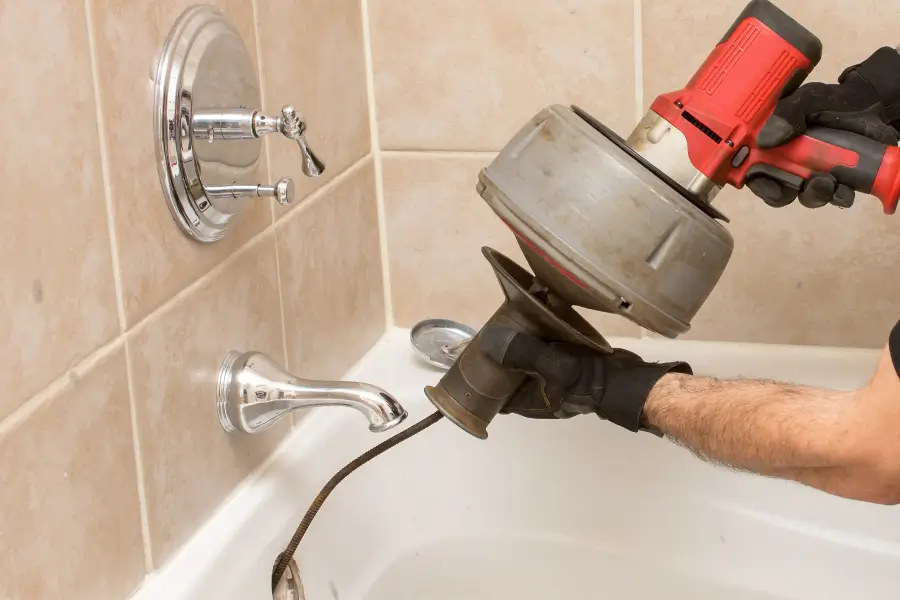
Next, consider a drain snake, also known as a plumber’s snake. This tool is invaluable for reaching deeper clogs that a plunger can’t manage. Depending on the severity of the blockage, choose a manual or power-assisted snake. Verify it’s long enough to reach any potential blockage within your pipes.
Don’t underestimate the importance of gloves. Select durable, waterproof gloves to protect your hands from debris and harmful substances in the drain. A sturdy pair will also provide a better grip on tools.
Lastly, keep a bucket nearby to catch any water or debris that might escape. This prevents mess and makes cleanup easier. Gathering these essential tools makes you better prepared to serve those needing quick, efficient drain-clearing assistance.
Use a Plunger Effectively
To use a plunger effectively, position it over the drain to create a strong seal and apply quick, forceful thrusts to dislodge the clog. Make sure that the plunger cup completely covers the drain opening. This creates the necessary suction and pressure to tackle the blockage. Before plunging, fill the affected area with enough water to submerge the plunger cup, improving the suction effect.
Begin with steady, firm thrusts, and maintain a rhythm. This technique enhances the pressure within the pipe, increasing the chances of breaking up the obstruction. If you’re plunging a sink, plug the overflow hole with a wet rag to focus the force directly on the clog. This prevents air from escaping and concentrates all the pressure on the blockage.
Keep an eye on the water level. If it starts to drain, you’re likely making progress. Continue plunging until the water flows freely. If the clog persists, repeat the process a few times, ensuring you maintain a strong seal and vigorous thrusts. Remember, patience and persistence are key. Your efforts can restore proper drainage, effectively resolve an emergency situation, and promote the well-being of those you serve.
Apply a Drain Snake
When your plunger efforts don’t clear the clog, a drain snake becomes essential for reaching deeper blockages and restoring flow. To use a drain snake effectively, verify you’ve selected the right type for your drain—manual or powered. Start by inserting the snake into the drain until you feel resistance, indicating the clog. Keep a firm grip on the handle, and rotate it clockwise to latch onto or break through the blockage.
Apply steady pressure without forcing the snake, as this can damage pipes. If the clog doesn’t clear immediately, withdraw the snake slightly, then push forward again, maintaining rotation. This action helps dislodge stubborn debris.
As you work, periodically pull the snake out to remove any captured material. Wear gloves to handle the snake and have a bucket nearby to dispose of debris. Once the drain is clear, flush it with hot water to guarantee thorough cleaning. Remember, patience and persistence are key. By using a drain snake skillfully, you’ll resolve blockages efficiently, helping others maintain a smoothly functioning home environment.
Try Baking Soda and Vinegar
If the drain snake doesn’t fully resolve the issue, you can resort to a natural and effective solution by using baking soda and vinegar to tackle the remaining clogs. This eco-friendly and cost-effective approach provides a chemical-free way to clear your drains. Here’s how you can do it:
- Gather Your Materials: You’ll need a cup of baking soda, a cup of vinegar, and a kettle of boiling water. Having these ready will streamline the process.
- Pour Baking Soda: Carefully pour a cup of baking soda down the affected drain. Make sure it reaches deep within the pipe to maximize its cleaning potential.
- Add Vinegar: Slowly pour a cup of vinegar down the drain. The reaction between baking soda and vinegar will create a fizzing action, which helps to break down stubborn clogs.
- Flush with Boiling Water: After allowing the mixture to sit for at least 15 minutes, flush the drain with boiling water. This will help wash away debris and residue, enhancing flow and functionality.
Utilize a Wet/Dry Vacuum
A wet/dry vacuum can swiftly and effectively remove stubborn clogs by removing debris and liquid from the drain. First, verify the vacuum is set to the liquid setting and that the filter is appropriate for wet use. This prevents damage to the vacuum and guarantees efficient suction. If available, attach the hose and a small nozzle to help concentrate the suction power directly into the drain.
Before you begin, block any overflow openings with duct tape or a wet rag to maximize suction force. Place the nozzle firmly over the drain, confirming a tight seal to prevent air leaks. Turn on the vacuum and let it run for a minute or two. You should repeat this process a few times to clear the blockage completely.
If the vacuum isn’t pulling anything out, try alternating between suction and blowing to dislodge the clog. This technique can help break up stubborn debris, making removing it easier. Remember, patience and persistence are key. By using this method, you’re solving the immediate problem and learning a valuable skill to assist others in their time of need.
Address Grease Blockages
Grease blockages often require a different approach, so pour a pot of boiling water down the drain to melt away the buildup. This simple step can be surprisingly effective in loosening up grease deposits. If that doesn’t fully resolve the issue, don’t worry; you have other options. Here’s a practical method to tackle stubborn grease clogs:
- Baking Soda and Vinegar: Pour half a cup of baking soda and half a cup of white vinegar into the drain. Let it fizz and sit for 15 minutes. This combination creates a chemical reaction that can break down grease.
- Plunger: Use a plunger to apply pressure to help dislodge the softened grease. Make sure you have a tight seal and use quick, forceful movements.
- Manual Removal: If you can access the drain trap, remove it and manually clear the grease. This hands-on approach guarantees thorough cleaning.
- Enzymatic Cleaners: For best results, use a commercially available enzymatic drain cleaner. This cleaner contains bacteria that naturally consume grease. Follow the manufacturer’s instructions.
Check for Pipe Damage
Before proceeding with any further drain cleaning efforts, verify you inspect the pipes for visible damage, such as cracks or leaks, to prevent exacerbating the issue. Aggressive cleaning techniques can worsen damaged pipes, leading to more extensive repairs. Start by turning off the water supply to avoid further complications. Use a flashlight to examine the accessible sections of piping. Look for any signs of corrosion, rust, or wear that might indicate underlying issues.
Listen carefully for unusual sounds, such as hissing or dripping, which can signal leaks. If you detect any damage, it’s essential to prioritize repair before resuming cleaning. You can patch minor cracks temporarily using epoxy putty or pipe repair tape, but remember, these are short-term solutions. For significant damage, it’s best to call a professional plumber to guarantee a thorough fix, safeguarding against future emergencies.
While inspecting, gently clean the pipe exterior with a damp cloth to remove any debris that could obscure your view. This step not only helps in spotting damage but also maintains the pipe’s surface. You contribute to a more effective and safe emergency drain cleaning process by carefully evaluating the pipe condition.
Prevent Future Clogs
To prevent future clogs, regularly maintain your drains by using strainers to catch debris and scheduling routine cleaning with enzyme-based solutions. This proactive approach minimizes the risk of blockages and keeps your plumbing system running smoothly. Here are some practical steps you can take to guarantee your drains remain clear:
- Install Drain Strainers: Place strainers over your sinks and bathtub drains to trap hair, food particles, and other debris. Regularly empty these strainers to maintain peak flow.
- Use Enzyme-Based Cleaners Monthly: These cleaners break down organic matter without harming your pipes. Pour them down your drains monthly to reduce buildup and keep your plumbing in good condition.
- Flush Drains with Hot Water: Flush your drains with hot water at least once a week to loosen grease and wash away small particles. This simple technique helps prevent clogs from forming.
- Educate Household Members: Teach everyone in your household about what shouldn’t go down the drain, like grease, coffee grounds, and hair. A collective effort guarantees fewer clogs and a healthier plumbing system.
Know When to Call Professionals
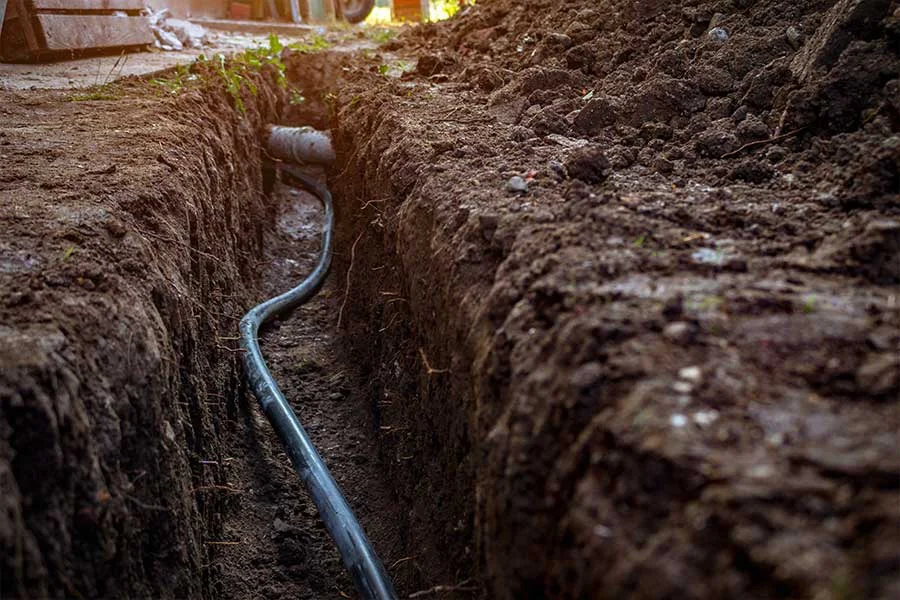
Occasionally, you should recognize the signs indicating it’s time to call a professional plumber, as persistent slow drainage or recurring clogs often require expert intervention. If you notice multiple drains backing up simultaneously, it’s a clear sign of a main sewer line issue, which only a skilled plumber can address effectively. Water backups in unexpected places, like a shower when you flush the toilet, signal complex problems beyond DIY solutions.
When your attempts with a plunger or drain snake fail, avoid using chemical drain cleaners. These can damage pipes and pose health risks. Professionals have specialized tools and knowledge to tackle stubborn clogs safely and efficiently. Additionally, gurgling sounds or foul odors from drains suggest underlying issues requiring professional assessment.
In emergency situations, such as a significant leak or complete drainage collapse, immediate professional assistance is vital to prevent extensive property damage. Don’t hesitate to call a plumber if you’re unsure about the severity of the issue. By doing so, you not only guarantee a proper resolution but also enhance your ability to serve others by maintaining a safe and functional environment. Remember, timely intervention by experts can save time, money, and unnecessary stress.
Conclusion
You’re armed with the know-how to tackle those pesky drain clogs, but here’s the twist—what if the problem’s bigger than you thought? You’ve navigated through plunging, snaking, and even the bubbling power of baking soda and vinegar. Yet, the mystery persists. Is it hidden pipe damage or stubborn grease? While your DIY skills are impressive, don’t hesitate. When the challenge escalates, it’s time to call in the pros and guarantee your drains are running smoothly again.