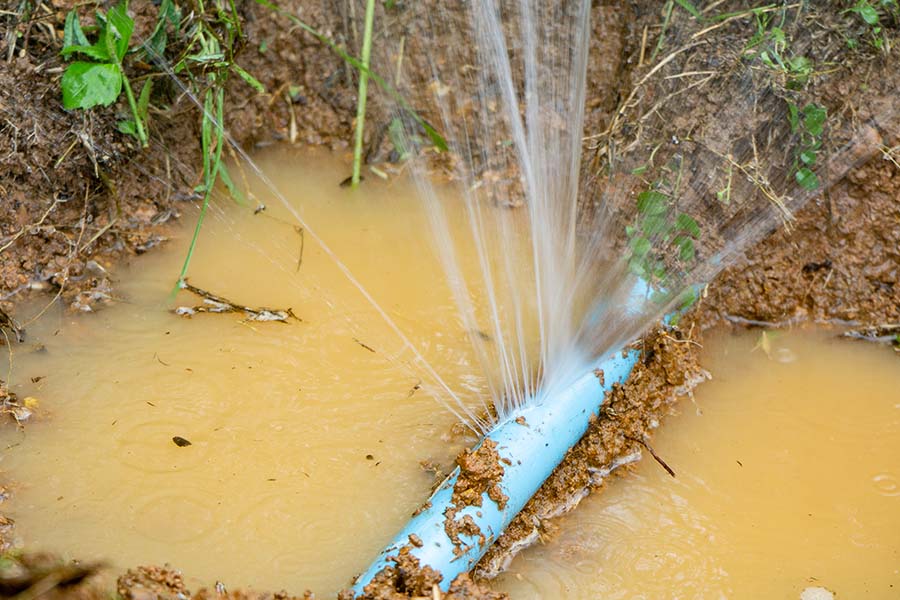
Most homeowners don’t realize that even minor plumbing leaks can lead to significant damage over time. If you notice unusual signs around your home, it could indicate a hidden leak that needs attention. Ignoring these early warning signs might result in costly repairs down the line. Let’s explore seven key indicators that could save you from future headaches and guarantee your home remains safe and comfortable.
Unexplained Increases in Water Bills
One of the most telling signs of a plumbing leak is an unexplained increase in your water bills. If you’ve noticed a sudden spike, it’s time to investigate further.
Compare your current bill to previous months; if there’s a significant difference without any change in usage, a leak could be lurking. You mightn’t see any obvious signs, but even a small leak can waste gallons of water, leading to inflated costs.
Check your faucets, toilets, and irrigation systems for drips or running water. If everything appears normal, consider monitoring your meter.
Turn off all water sources for a few hours, then check the meter again. If it’s moved, you likely have a leak. Addressing it promptly can save you money and prevent further damage. Regular inspections can help identify early signs of plumbing issues, ensuring timely intervention.
When in doubt, don’t hesitate to call professionals like Dipaola Quality Climate Control for an expert assessment and reliable service.
Damp or Wet Spots on Walls and Ceilings
Damp or wet spots on your walls and ceilings can be a glaring indication of a plumbing leak. When you notice these spots, it’s essential to act quickly. Water damage can lead to more severe issues, including structural problems and costly repairs.
Check for discoloration, bubbling paint, or peeling wallpaper—these are all signs that moisture is seeping through. You should also pay attention to the areas around fixtures like sinks, toilets, and bathtubs, as leaks often originate there.
If the dampness persists despite dry weather, it’s time to investigate further. Ignoring these signs can result in mold growth and increased repair costs down the line. Early leak detection can help prevent structural damage and save you from extensive repairs.
If you suspect a leak, don’t hesitate to contact a professional plumber. They can accurately diagnose the problem and provide the necessary repairs to safeguard your home and restore your peace of mind.
Mold or Mildew Growth in Unusual Areas
Mold or mildew growth in unusual areas can signal a hidden plumbing leak that needs immediate attention. If you notice these fungi in places like your bathroom corners, behind appliances, or in closets, don’t ignore them. These spots often indicate excess moisture, which is typically linked to plumbing issues.
Check for any drips, damp spots, or water stains nearby. You might also want to inspect the seals around sinks, toilets, and bathtubs. If mold or mildew persists despite cleaning, it’s a clear sign something’s wrong.
Ignoring this problem could lead to significant damage and health risks. If you suspect a leak, it’s best to call a professional. Regular maintenance of your HVAC system can also help prevent such moisture issues, as efficient HVAC systems play a crucial role in controlling indoor humidity levels.
Dipaola Quality Climate Control can help identify the source of the issue and provide effective solutions. Don’t wait until the problem worsens; addressing these signs early can save you from costly repairs down the line.
The Sound of Running Water When Fixtures Are Off
If you hear running water when your fixtures are off, it’s a sign that something might be amiss.
Unusual water noises often indicate a potential leak somewhere in your plumbing system.
Don’t ignore these sounds; they could lead to bigger issues if left unchecked. Additionally, annual maintenance can help identify leaks early and ensure the longevity of your plumbing system.
Unusual Water Noises
When you notice unusual water noises, like the sound of running water even though your fixtures are off, it’s a signal that something’s not right in your plumbing system.
These sounds can indicate hidden leaks or issues in your pipes that need immediate attention. You might hear gurgling, dripping, or constant water flow, which isn’t typical when everything’s turned off.
Ignoring these noises can lead to more significant problems, including water damage or increased utility bills.
Don’t hesitate to investigate further, as the sooner you address the issue, the better.
If you’re unsure, it’s wise to consult a professional plumber who can assess the situation and provide expert solutions to restore your home’s plumbing to peak condition.
Potential Leak Indicators
Unusual water noises can often lead you to the next red flag in your plumbing system: the sound of running water when your fixtures are turned off. If you hear this persistent sound, it’s a strong indicator that something’s amiss.
You might’ve a leak somewhere in your pipes or fixtures that’s not immediately visible. This sound can often be subtle, making it easy to dismiss, but ignoring it can lead to more significant damage and costly repairs down the road.
Pay attention to changes in water pressure or frequent increases in your water bill; these can further confirm a potential leak. If you notice these signs, it’s time to call a professional to assess the situation and prevent further issues.
Water Stains or Discoloration on Floors
When you notice water stains or discoloration on your floors, it’s essential to act quickly.
These stains can reveal underlying plumbing issues that need your attention.
Keep an eye out for specific patterns and colors, as they can help identify the source of the problem.
Spotting Water Stains Early
Water stains or discoloration on your floors can be a telltale sign of a plumbing leak lurking beneath the surface.
Catching these stains early can save you from costly repairs and extensive damage.
Here are four key areas to inspect regularly:
- Basement or Crawl Space: Look for damp spots or dark patches on the floor.
- Near Appliances: Check around washing machines, dishwashers, and water heaters for leaks.
- Under Sinks: Inspect the area beneath kitchen and bathroom sinks for any discoloration.
- Bathroom Floors: Observe for water stains near toilets and bathtubs, which can indicate hidden leaks.
If you notice any of these signs, it’s time to call a professional for further inspection.
Discoloration Patterns to Observe
Noticing water stains on your floors is just the beginning of identifying potential plumbing issues.
These discoloration patterns can take various forms, such as dark spots, yellowish patches, or even warped flooring. You might see rings that resemble a halo, indicating a leak’s progression.
Pay attention to the texture, too; soft or peeling areas often signal underlying moisture problems. If you spot these stains in high-traffic zones or near appliances, it’s vital to investigate further.
Ignoring these signs could lead to more extensive damage and costly repairs down the line. Regular inspections can help you catch these issues early, so keep an eye out for any unusual discoloration on your floors to protect your home’s integrity.
Causes of Water Stains
Discoloration on your floors often stems from a variety of underlying issues. Identifying the cause is vital to prevent further damage.
Here are some common culprits:
- Leaky Pipes: Hidden leaks can cause persistent water exposure, leading to stains.
- Condensation: Humidity can create moisture that drips onto the floor, resulting in discoloration.
- Roof Leaks: Water from a damaged roof can seep down into your floors, causing staining.
- Appliance Malfunctions: Faulty dishwashers or washing machines can leak, affecting the flooring beneath.
If you notice any of these issues, it’s important to address them quickly. Ignoring them could lead to more severe problems, so don’t hesitate to seek professional help.
Low Water Pressure in Faucets and Showers
When you experience low water pressure in your faucets and showers, it can be both frustrating and indicative of underlying plumbing issues. This drop in pressure might signal a leak somewhere in your plumbing system. Often, a leak can divert water flow, causing pressure to decrease in your fixtures.
You might also notice that water takes longer to fill your bathtub or that your showerhead isn’t delivering a strong stream. This can disrupt daily routines and lead to more significant problems if not addressed.
Check for visible leaks, damp spots, or water accumulation around pipes, as these can be telltale signs. If you’re unsure, it’s best to consult a plumbing professional.
They can accurately diagnose the problem and recommend the right solutions. By addressing low water pressure early, you’ll help prevent costly repairs down the line and guarantee your home’s plumbing system runs smoothly.
Musty Odors in Your Home
Experiencing low water pressure can often lead to other plumbing concerns, such as musty odors in your home.
If you notice a damp, moldy smell, it could indicate hidden leaks or moisture buildup. Taking action quickly is essential to prevent further damage.
Here are a few signs to look for:
- Damp Spots: Check for water stains or discoloration on walls and ceilings.
- Mold Growth: Look for any visible mold or mildew, especially in bathrooms and basements.
- Increased Humidity: Notice if your home feels more humid than usual, even with ventilation.
- Condensation: Pay attention to excess condensation on windows or pipes.
If you detect any of these signs, it’s time to consult a plumbing professional.
Dipaola Quality Climate Control can help you address these issues and restore your home’s comfort.
Conclusion
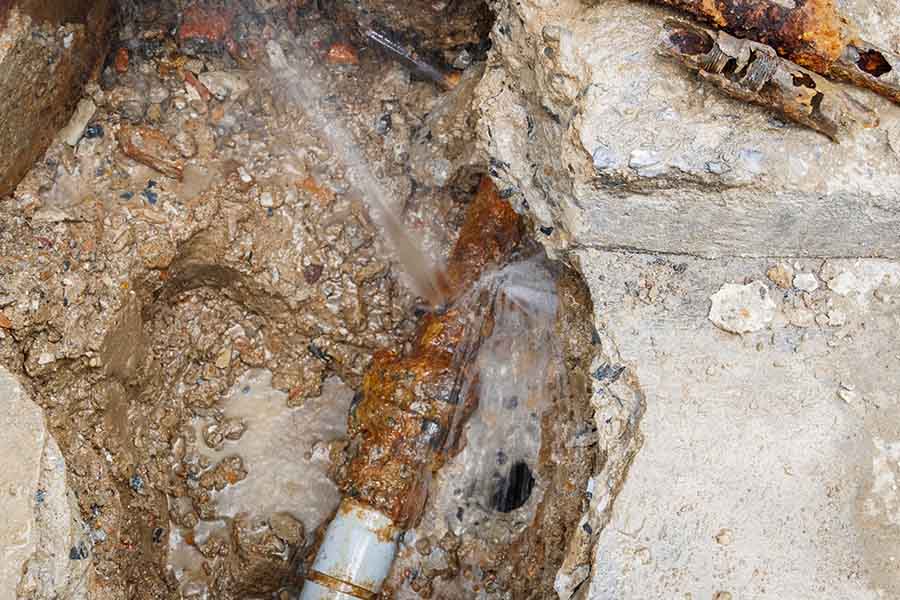
By staying alert to these early warning signs—unexplained water bills, damp spots, mold growth, and musty odors—you can protect your home from costly plumbing repairs. Act quickly when you notice the sound of running water, water stains, or low pressure in your fixtures. Remember, addressing these issues now means saving yourself time, money, and stress later. Keep your home safe and comfortable by being proactive and consulting professionals when needed. Don’t wait; take action today!