

If you’re a homeowner in Melcroft, PA, considering a DIY geothermal installation, it’s essential to understand the basics before you start. Each step plays an important role in ensuring a successful setup, from evaluating your property to securing permits. You’ll also need to know what components are necessary for a functioning system. Let’s explore what you need to set up a geothermal system that works efficiently for your home.
Understanding Geothermal Systems and Their Benefits
If you’re looking for an energy-efficient way to heat and cool your home, understanding geothermal systems can be a game-changer. These systems use the earth’s constant temperature to provide heating in winter and cooling in summer, making them incredibly efficient.
By tapping into the ground, you’re not just reducing your energy bills; you’re also minimizing your carbon footprint.
Geothermal systems have fewer moving parts than traditional HVAC systems, which means less maintenance and a longer lifespan. You’ll enjoy consistent temperatures year-round, ensuring comfort no matter the season.
Plus, many homeowners appreciate the quiet operation of geothermal systems compared to conventional units.
Investing in geothermal technology can also increase your property value, making it a wise choice for the long run. With potential tax credits and rebates, shifting to geothermal might be more affordable than you think. Additionally, geothermal HVAC systems can achieve energy efficiency up to four times greater than traditional systems, enhancing your savings even further.
Understanding these benefits prepares you for a smart, eco-friendly home upgrade.
Assessing Your Property for Geothermal Suitability
How do you know if your property is suitable for a geothermal system? Start by evaluating your land’s size and layout. Ideally, you’ll need at least half an acre for horizontal loops, while vertical systems require less space but more depth.
Check your soil type; sandy or loamy soils are best for heat exchange. Additionally, assess the proximity to your home and existing utilities, as this can affect installation costs.
Next, consider the local climate. Geothermal systems perform best in regions like Melcroft, PA, where the temperature remains relatively stable year-round.
Make sure your home is energy efficient, as this will enhance the system’s performance and savings. Furthermore, investing in high energy efficiency can lead to significant cost savings on your energy bills over time.
Finally, consult with a professional to conduct a site assessment. They can provide insights on ground conditions, system sizing, and potential obstacles, ensuring you’re well-prepared for your geothermal project.
Key Components of a Geothermal System
A geothermal system consists of several key components that work together to harness the Earth’s natural heat.
First, you’ll need a ground loop, which can be vertical or horizontal, depending on your property. This loop circulates a fluid that absorbs heat from the ground.
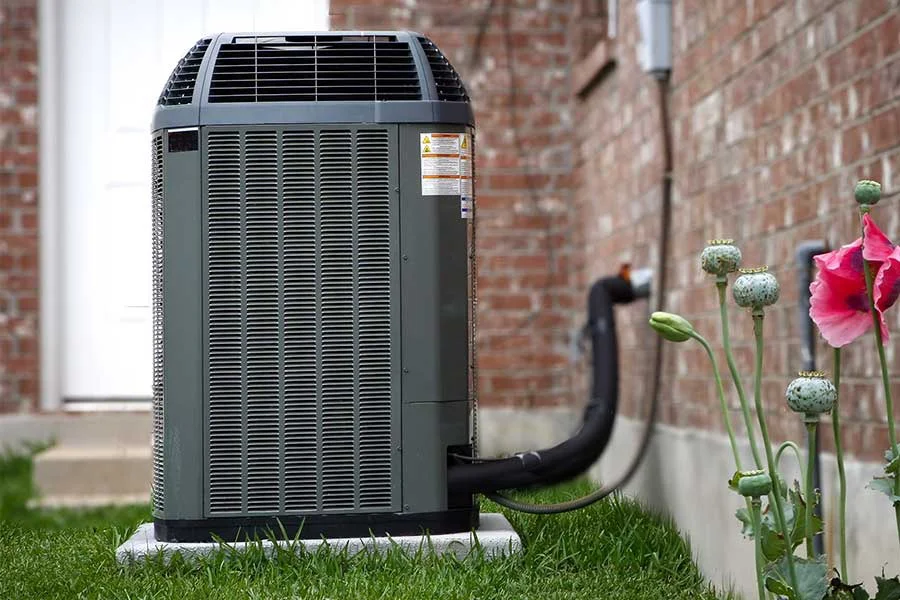
Next, the heat pump is essential; it extracts heat from the fluid and distributes it throughout your home.
You’ll also require a desuperheater, which captures excess heat and can provide hot water.
Additionally, ductwork or radiant floor systems are necessary for distributing warm or cool air.
Finally, a thermostat controls the system’s operation, ensuring your home maintains a comfortable temperature. Proper installation is crucial to long-term functionality and efficiency, as it significantly impacts your overall comfort and energy costs.
Understanding these components will help you plan your installation effectively, ensuring you maximize the efficiency and longevity of your geothermal system.
With the right knowledge, you can create a sustainable heating and cooling solution for your home.
Step-by-Step Guide to DIY Installation
Installing a geothermal system can be a rewarding project, and following these step-by-step guidelines will help you achieve a successful DIY installation.
First, assess your property to determine the best type of geothermal system for your needs. Gather necessary permits and locate utility lines before digging.
Next, excavate trenches or boreholes for the ground loop, guaranteeing you follow local codes.
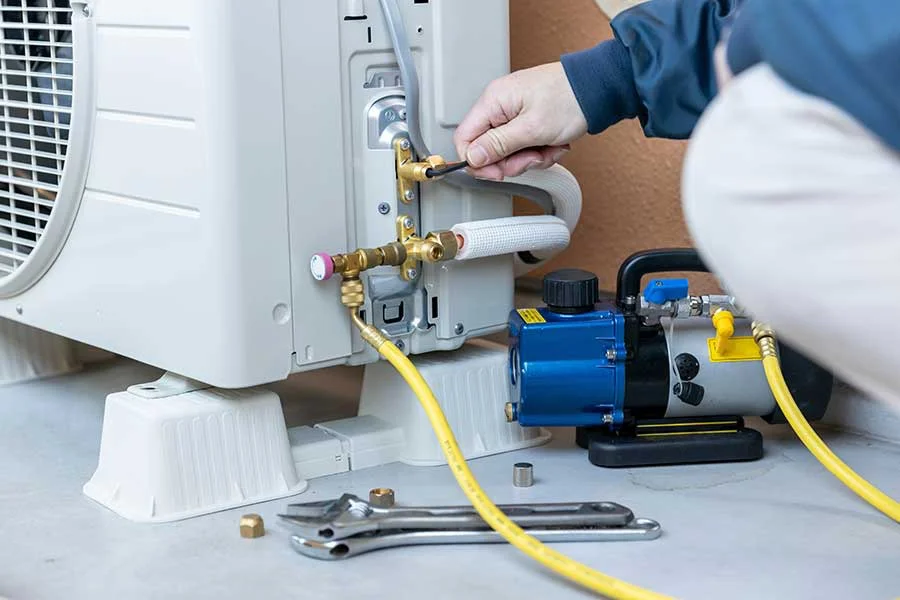
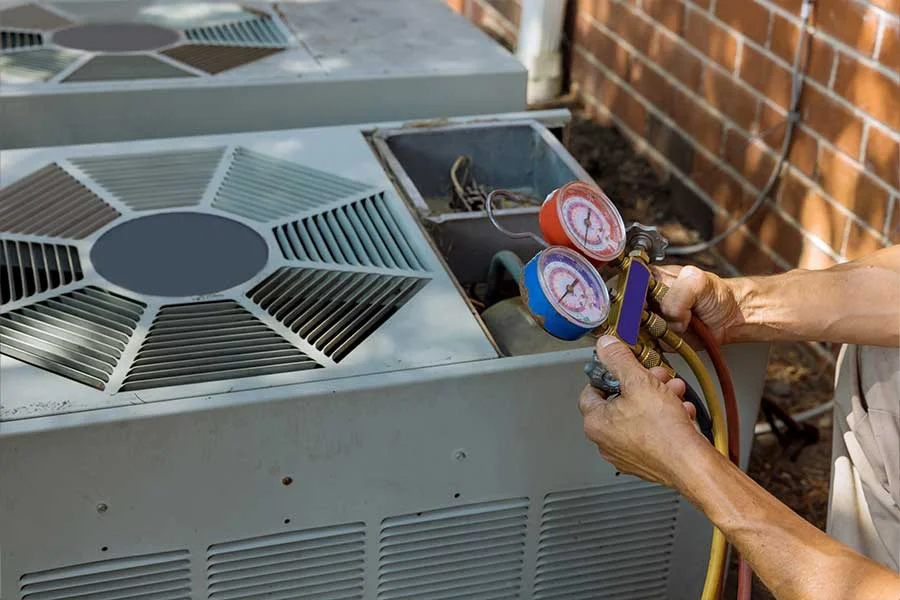
Once the ground loop is in place, connect it to your heat pump according to the manufacturer’s instructions. Make sure to seal all connections properly to prevent leaks.
After that, install your indoor air distribution system, ensuring proper ductwork or radiant heating layout.
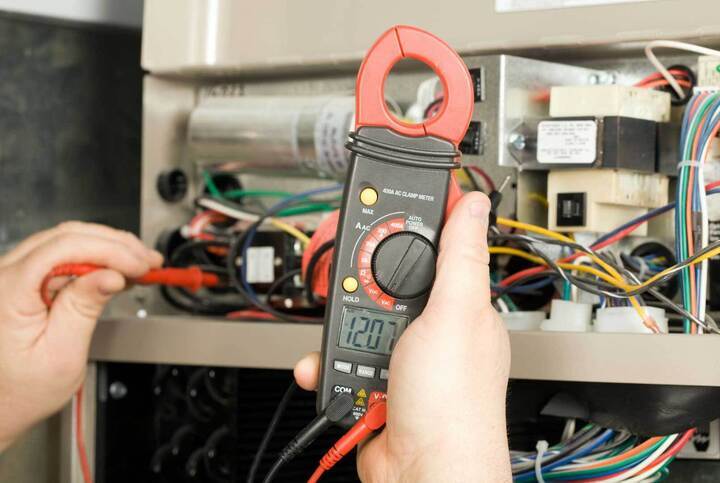
Finally, connect the electrical components, and fill the system with the appropriate fluid. Regular HVAC maintenance is important to ensure optimal operation after installation.
Test your system thoroughly to confirm it operates efficiently. By following these steps, you’ll be well on your way to enjoying the benefits of geothermal heating and cooling in your home.
Maintenance Tips for Long-Lasting Performance
Once you’ve successfully installed your geothermal system, keeping it in prime condition is key to maximizing its efficiency and lifespan.
Start by scheduling regular maintenance checks at least once a year. This helps identify potential issues before they escalate. Clean or replace air filters every few months to guarantee ideal airflow and efficiency.
Next, inspect the ground loop for any signs of leaks or damage, as these can greatly affect performance.
Make sure the area around the heat pump is clear of debris and vegetation to promote proper airflow.
Monitor your system’s performance and be aware of any unusual noises or changes in temperature, which could indicate a problem.
Finally, keep a close eye on your energy bills; a sudden spike may signal the need for a professional inspection.
Conclusion
In wrapping up your geothermal journey, remember it’s not just about digging holes and connecting pipes; it’s about nurturing a sustainable haven that breathes life into your home. By following these tips, you’re not just installing a system; you’re embracing an eco-friendly lifestyle that whispers comfort and efficiency. So, roll up your sleeves, enjoy the process, and watch your investment blossom into a reliable source of warmth and coolness, all while being kind to Mother Earth.