
You might think water heater maintenance is complicated, but it’s actually quite straightforward. By taking simple steps, you can guarantee your system runs efficiently and lasts longer. From setting the right temperature to addressing potential issues, there’s a lot you can do to protect your investment. Curious about the common problems and how to tackle them? Let’s explore some essential tips that every New Eagle resident should know.
Understanding Your Water Heater System
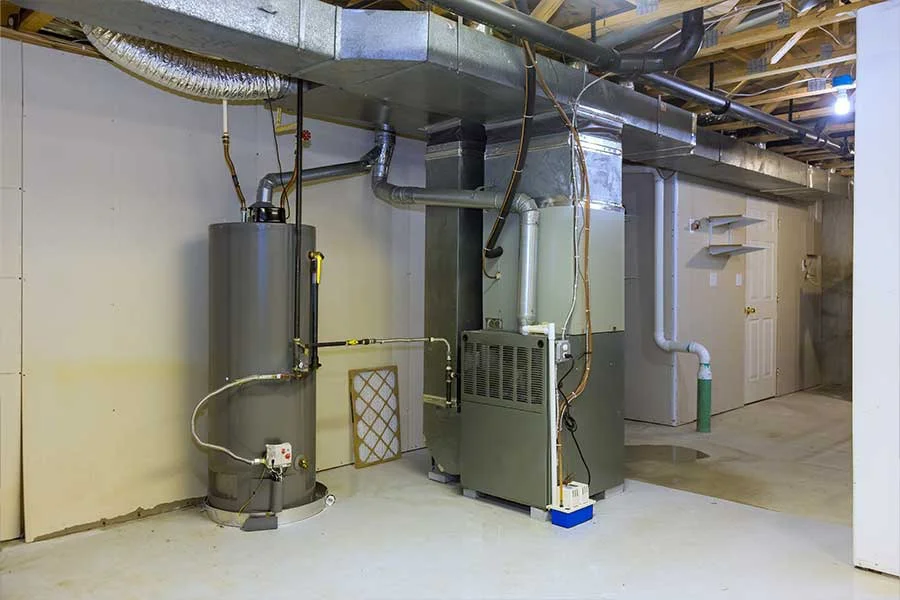
When you understand your water heater system, you’ll be better equipped to identify any issues and guarantee it runs efficiently. Familiarize yourself with the main components, like the tank, heating element, and thermostat. Knowing how these parts work together helps you spot problems early.
For instance, if you notice fluctuating water temperatures, it might signal a faulty thermostat or heating element.
Pay attention to the age of your unit, as most water heaters last about 8-12 years. If yours is nearing the end of its life, consider replacement options.
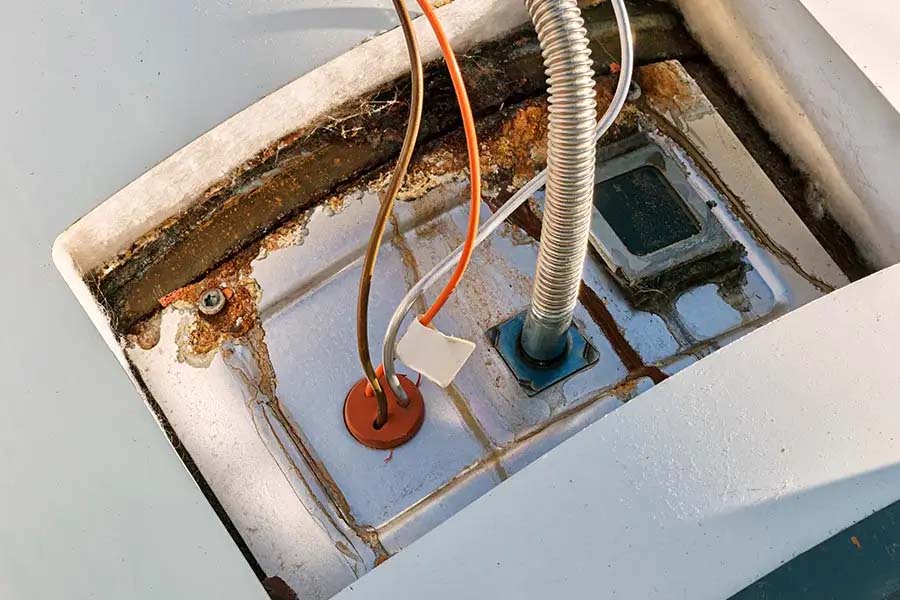
Regularly check for signs of leaks or corrosion around connections. These could indicate serious issues that need immediate attention.
Lastly, understanding your system’s energy source—whether gas or electric—will aid in troubleshooting. By being proactive and informed, you can maintain your water heater’s performance, ensuring hot water is always available when you need it. Additionally, ignoring water heater issues can lead to uncomfortable showers and increased energy costs.
Regular Maintenance Tips for Longevity
To keep your water heater running efficiently and extend its lifespan, regular maintenance is crucial. Start by checking the temperature setting; it should be around 120°F to prevent scalding and conserve energy.
Next, flush the tank at least once a year to remove sediment buildup, which can affect performance. Inspect the anode rod every 1-3 years and replace it if it’s corroded—this helps prevent tank rusting.
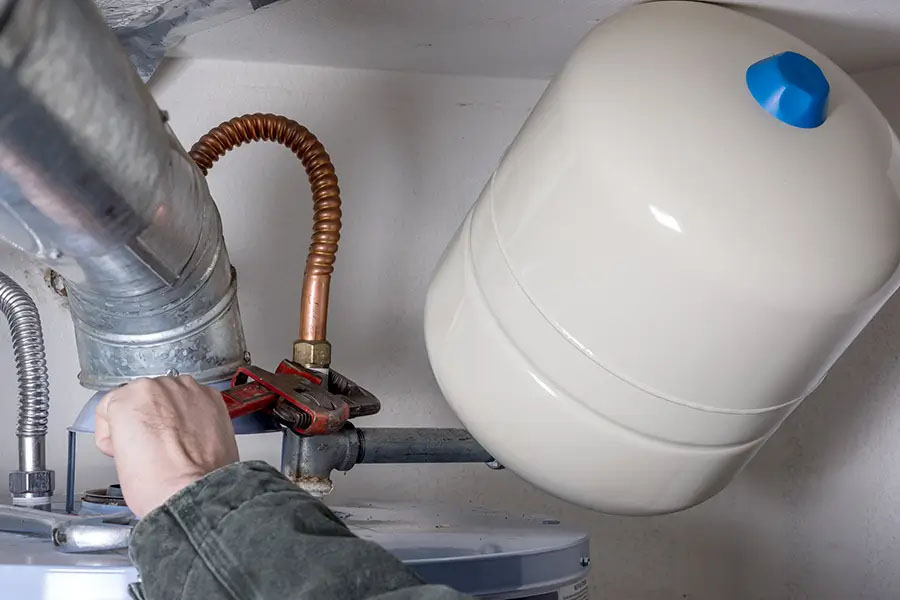
Don’t forget to check for leaks around the fittings and connections. If you spot any, address them promptly to avoid further damage.
Additionally, verify the area around your water heater is clear of dust and debris for proper airflow.
Finally, consider scheduling an annual professional inspection with Dipaola Quality Climate Control to catch potential issues early. This can help you avoid the warning signs that indicate your water heater may need replacement.
Common Water Heater Problems and Solutions
While water heaters are generally reliable, they can encounter a range of common issues that disrupt your daily routine.
One frequent problem is insufficient hot water. This could be due to a thermostat set too low or sediment buildup in the tank. Check the thermostat and flush the tank to improve performance.
Another common issue is leaks. If you notice water pooling around your heater, it could be a sign of a failing valve or a corroded tank. Inspect connections and replace any damaged components.
Strange noises, like popping or rumbling, often indicate sediment buildup. Flushing your tank can help eliminate this problem and restore quiet operation.
Lastly, if your water has an odd odor, it might be due to bacteria in the tank. Flushing and sanitizing the system can resolve this. Regular maintenance can also help prevent structural damage and extend the lifespan of your water heater.
Signs You Need Professional Repair Services
Recognizing the signs that you need professional repair services for your water heater can save you from costly damage and guarantee your home stays comfortable.
If you notice any of the following issues, it’s time to call in the experts.
- Strange Noises: If your water heater is making popping, banging, or hissing sounds, it could indicate sediment buildup or other internal issues.
- Inconsistent Water Temperature: If your hot water isn’t hot enough or fluctuates between warm and cold, there might be a problem with the heating element.
- Leaks or Pooling Water: Any signs of leaking around your water heater can signal a serious problem, requiring immediate attention to avoid water damage.
Ignoring these signs can lead to more severe problems that may affect your overall home comfort.
Don’t ignore these warning signs.
Contact Dipaola Quality Climate Control for prompt and professional service to guarantee your water heater operates efficiently and safely.
Energy Efficiency Tips for Water Heaters
Improving your water heater’s energy efficiency can lead to significant savings on your utility bills and extend the lifespan of the unit.
Start by setting the thermostat to 120°F—this temperature is comfortable for most uses and reduces energy consumption. Insulate your water heater and the first six feet of hot water pipes to minimize heat loss. Regularly flushing the tank helps remove sediment buildup, which can affect efficiency.
Consider upgrading to a high-efficiency water heater, especially if yours is over ten years old.
Also, check for leaks and drips; even small leaks can waste gallons of water and energy. Finally, limit hot water use by fixing leaky faucets and using cold water for laundry when possible.
Conclusion
By staying proactive with your water heater maintenance, you’re not just extending its lifespan; you’re also safeguarding your home from unexpected surprises. Think of it as nurturing a relationship—when you care for it, it rewards you with efficiency and reliability. So, keep an eye on those regular checks and trust your instincts when something feels off. Investing a little time now can save you from costly repairs down the road, ensuring your comfort for years to come.